
A Practical Guide to Pest Proofing Apartments
Use this guide to pest proofing apartments with practical steps for tenants and managers to block rodents, roaches, ants, bed bugs, and more for healthier homes.
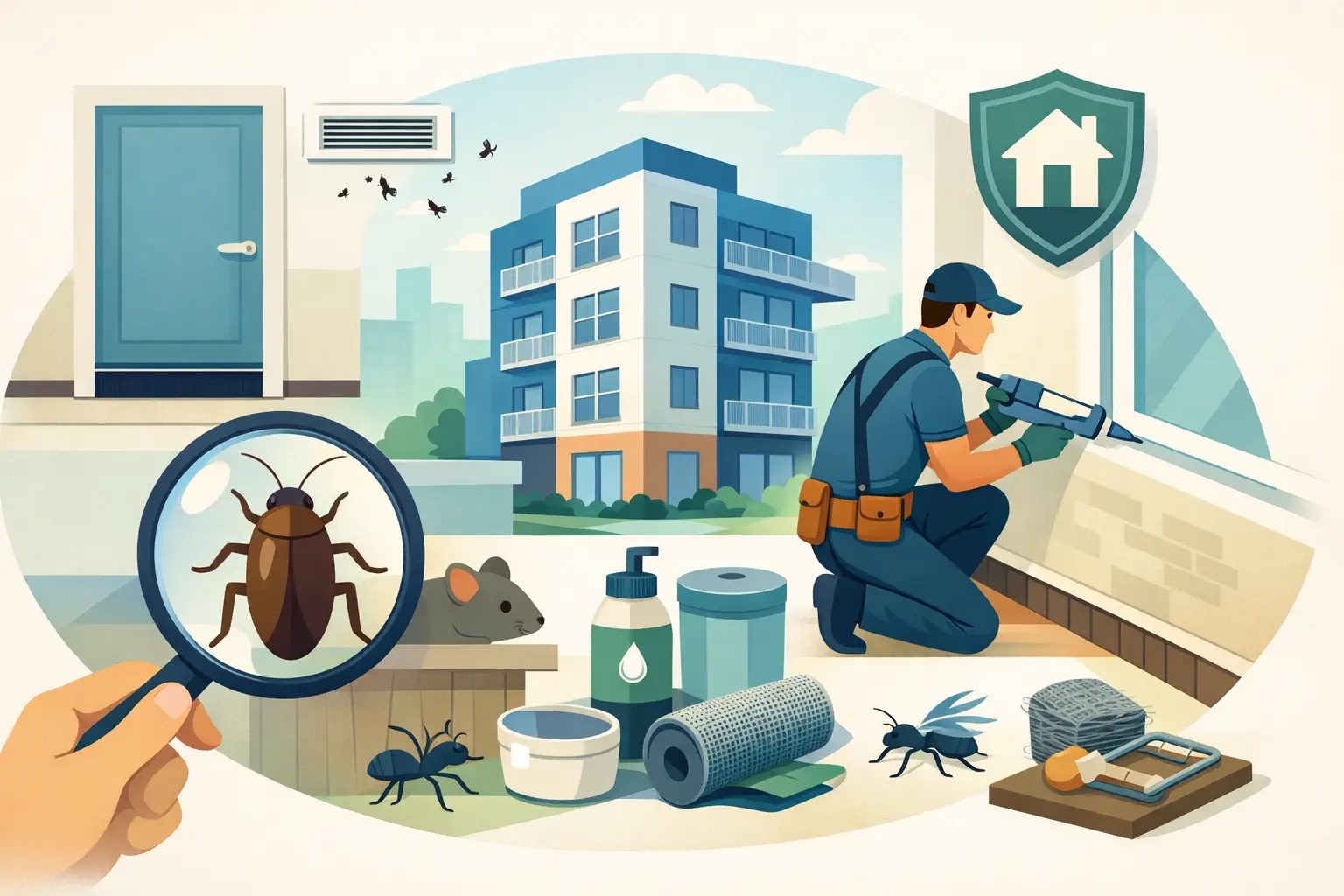
A single cockroach under the kitchen sink or scratching behind a wall can feel like a private problem. In an apartment building, it rarely is. Pests move through shared walls, plumbing openings, hallways, garbage areas, and neighboring units. This guide to pest proofing apartments explains what tenants and property managers can do to reduce access, remove food and shelter, and respond early before a small issue becomes a building-wide disruption.
The goal is not to turn every resident into a pest control technician. It is to make the property less inviting to rodents, ants, cockroaches, bed bugs, and other common invaders while making professional treatment more effective when it is needed.
Why Apartment Pest Problems Spread So Quickly
Apartments have more shared entry points than most single-family homes. Gaps around pipes can connect kitchens and bathrooms from one unit to the next. Utility chases, ceiling voids, dryer vents, laundry rooms, trash rooms, and storage areas can all provide protected travel routes.
Pests also benefit from inconsistent housekeeping. One unit may be spotless, while another has overflowing trash, pet food left out overnight, or a leaking pipe under the sink. That does not mean a resident caused every infestation. Even clean apartments can be affected when pests travel from an adjacent unit or a common area. Still, sanitation and moisture control greatly reduce the resources that let pest populations grow.
For property managers, this is why treating only the unit where a pest was first reported may not solve the full problem. Inspection should consider nearby units, shared service areas, exterior conditions, and the type of pest involved.
Start With an Apartment Inspection
Pest proofing starts with finding the routes pests are already using. A quick visual check can reveal many of the conditions that need attention.
Look beneath kitchen and bathroom sinks, behind appliances where possible, around radiator or utility lines, inside lower cabinets, near baseboards, and around entry doors. Check for gaps, droppings, grease marks, shed insect skins, damaged food packaging, small piles of sawdust-like material, or a stale odor in confined spaces.
In common areas, managers should inspect dumpster locations, trash rooms, laundry rooms, mechanical rooms, loading entrances, storage lockers, and exterior doors. These spaces often provide food, moisture, warmth, and undisturbed hiding areas.
Different signs point to different pests. Rodent droppings and gnaw marks need prompt attention because rodents can contaminate food and damage wiring. Small dark specks in cabinet corners may indicate cockroach activity. Ant trails often lead toward moisture or food residue. Bed bugs are more likely to be found near beds, upholstered furniture, luggage, and baseboards than in kitchens.
Document what you find and where you find it. For a manager, clear records help identify patterns between units or floors. For a tenant, photos and dates make it easier to report a concern promptly and accurately.
Seal the Gaps That Let Pests In
Exclusion is one of the most dependable ways to prevent repeat activity. Pesticides can reduce an active population, but they do not close the opening that allowed pests inside.
Small insects can use cracks that are easy to overlook, while mice can squeeze through openings about the width of a pencil. Seal cracks around pipes, cable lines, and utility penetrations with suitable materials. Larger holes may need durable patching or metal mesh before sealing. Door sweeps can reduce entry under exterior and corridor-facing doors, especially around ground-level units, trash rooms, and service doors.
Do not block vents, fire safety equipment, drainage paths, or access panels without professional guidance. In a rental property, tenants should report structural gaps rather than making major repairs themselves. Managers should address those reports quickly, because a small opening in one unit can affect several others.
Window screens also deserve attention. Repair tears, make sure screens fit tightly, and keep windows closed when outdoor lighting attracts insects during peak activity periods. Wasps and other stinging insects may build nests around vents, eaves, balconies, and exterior fixtures, so exterior inspections matter as much as indoor sealing.
Remove Food, Water, and Hiding Places
Pests stay where they can eat, drink, and hide. The practical daily habits below make a meaningful difference, especially in kitchens and bathrooms:
- Store cereal, flour, pet food, snacks, and dry goods in sealed containers rather than thin bags or open boxes.
- Empty indoor trash regularly, clean the container, and keep garbage bags closed until they are taken to the designated disposal area.
- Wipe counters, stovetops, dining tables, and floors after meals, including crumbs under small appliances.
- Repair or report dripping faucets, slow drains, pipe leaks, and condensation under sinks.
- Reduce clutter near walls, under beds, in closets, and on balconies so pests have fewer undisturbed places to hide.
These steps are not about demanding perfection. A busy household may occasionally leave dishes overnight or miss a crumb. The problem is repeated access to food and water. Consistent routines matter more than a one-time deep clean.
For managers, garbage management is a major part of pest prevention. Dumpsters should close fully, surrounding pavement should be kept free of spills, and overflowing bags should be addressed before they become a food source for rodents, flies, and scavenging wildlife. Regular bin and dumpster sanitation also reduces odor, residue, and insect breeding conditions.
A Guide to Pest Proofing Apartments by Pest Type
Rodents
Mice and rats are drawn to food, clutter, warmth, and gaps around utilities. Keep food sealed, avoid leaving pet bowls out overnight, and report scratching sounds, droppings, gnaw marks, or holes immediately. Avoid relying only on store-bought poison in apartment settings. Improper placement can create safety risks for children and pets, and rodents that die in inaccessible walls may cause persistent odor problems.
A professional plan typically combines inspection, entry-point sealing, targeted trapping or treatment, sanitation guidance, and follow-up monitoring. This approach addresses the reason rodents entered rather than simply reacting to the ones that were seen.
Cockroaches and Ants
Cockroaches and ants often follow moisture and food residue. Keep sinks dry when possible, clean grease around cooking areas, and do not allow recycling to collect sticky containers. Roaches can hide in narrow gaps near appliances, cabinet hinges, wall voids, and plumbing lines, so a sighting in daylight can indicate a larger population nearby.
Ant control depends on the species and nesting location. Spraying a visible trail may scatter ants without reaching the colony. A technician can identify the likely source and use an appropriate treatment method while also recommending exclusion and sanitation steps.
Bed Bugs
Bed bugs are different from pantry or moisture pests. They are usually brought in on luggage, furniture, clothing, or personal belongings. Cleanliness alone does not prevent them, and no resident should feel embarrassed about reporting a possible bed bug issue.
Look for small reddish-brown insects, dark spotting around mattress seams, shed skins, or bites that appear after sleeping. Report concerns quickly and avoid moving furniture or belongings into hallways, other units, or common areas. Moving items can spread bed bugs farther through the building. Professional inspection and a clear preparation plan are essential because incomplete treatment can allow surviving bugs to return.
Know When to Call for Professional Help
A few ants near an open food container may be resolved with cleaning and better storage. Repeated sightings, bites, droppings, unpleasant odors, nesting material, or activity in several units should be treated as a property-level concern.
Call for professional help promptly when rodents are present, cockroaches reappear after cleaning, bed bugs are suspected, wasps are nesting near entrances, or pests are affecting a restaurant, office, laundry room, storage area, or tenant living space. Fast response protects comfort, health, reputation, and normal operations.
A trained technician should explain what was found, where pests are likely entering or nesting, what treatment is recommended, what residents or staff need to do, and whether follow-up service is needed. North Peace Pest Control and Maintenance Corporation takes this practical, property-wide approach, pairing targeted pest management with sanitation and maintenance measures that support lasting results.
For tenants, the most helpful action is early reporting with clear details. For managers, it is building a process that responds without blame, documents recurring conditions, and corrects the gaps, moisture, sanitation, or disposal issues that let pests return. A timely inspection today can protect the comfort of every unit tomorrow.