
Facility Hygiene That Prevents Problems
Facility hygiene protects people, prevents pests, and keeps operations ready. Learn how cleaning, sanitation, and prevention work together every day well.
A garbage enclosure with spilled residue, a break room floor that stays damp overnight, or crumbs behind a vending machine can create bigger problems than they appear to. Facility hygiene is not just about making a property look clean. It is the daily condition of a space that affects employee safety, customer confidence, pest activity, odors, and the ability to keep business moving without disruption.
For homeowners, managers, restaurant operators, and industrial supervisors, the goal is practical: keep people comfortable, protect the building, and address small issues before they become costly ones. That requires more than an occasional cleaning visit. It requires a clear plan for cleaning, sanitation, waste handling, and pest prevention.
What Facility Hygiene Means in Practice
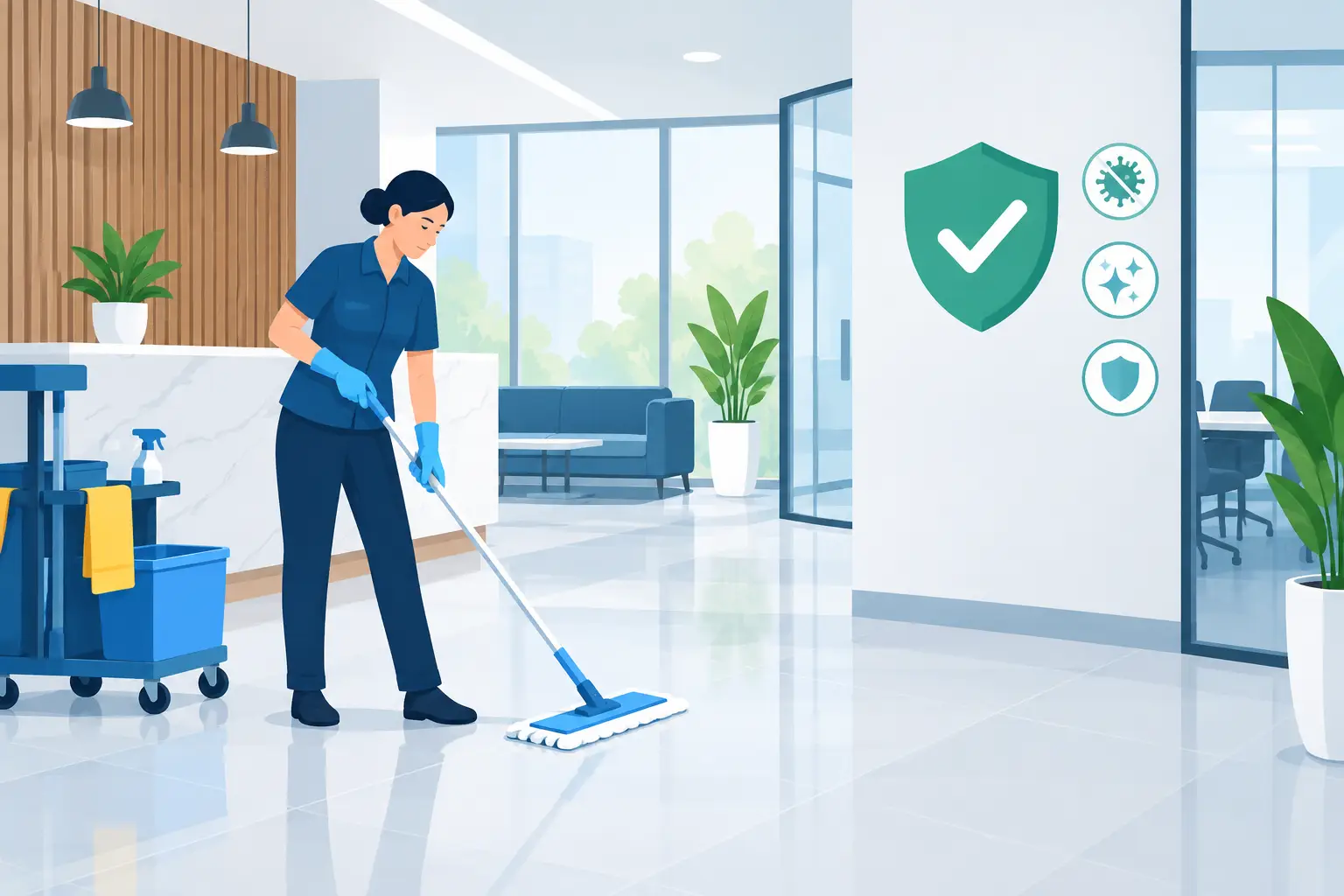
Facility hygiene is the coordinated work of removing soil, controlling germs where needed, managing waste, maintaining restrooms and common areas, and eliminating the conditions that attract pests. Each part supports the others.
Cleaning removes visible dirt, grease, food residue, and buildup. Sanitizing reduces germs on appropriate high-touch or food-contact surfaces. Waste sanitation controls odors and residue that can attract flies, rodents, cockroaches, and other pests. Pest management identifies and treats active problems while closing off the food, water, and shelter sources that allow infestations to return.
The right approach depends on the property. A small office may need reliable restroom service, clean break rooms, and regular carpet care. A restaurant needs close attention to grease, food debris, drains, storage areas, and garbage handling. A warehouse or factory may need a plan for loading bays, floor drains, employee areas, exterior waste zones, and rodent pressure around the building perimeter.
A clean-looking floor does not always mean the facility is hygienic. Areas behind equipment, under shelving, inside garbage enclosures, and around plumbing lines often tell the more accurate story.
Why Poor Hygiene Creates Bigger Property Risks
Most hygiene issues build gradually. A stained carpet may hold odor-causing residue. Overflowing dumpsters may attract rodents. Moisture beneath a sink can support cockroach activity. Grease and crumbs in overlooked areas can turn a minor ant issue into a repeated service call.
The risks usually fall into four connected areas:
- Health and comfort: Dirty restrooms, unpleasant odors, and contaminated high-touch areas make employees, tenants, and visitors uneasy. In some settings, they can also increase illness concerns.
- Pest pressure: Pests need food, water, shelter, and access. Poor sanitation supplies these conditions, even when a building receives occasional pest treatment.
- Operational disruption: An infestation, odor complaint, failed inspection, or customer complaint can pull attention away from daily work and damage a business's reputation.
- Property damage: Rodents may chew wiring, insulation, and stored materials. Moisture and neglected waste areas can contribute to broader maintenance problems over time.
This is why pest control and cleaning should not be treated as completely separate services. Treatment can remove the immediate pest threat, but sanitation and exclusion help prevent the next one.
The Highest-Priority Areas for Facility Hygiene
Not every part of a building carries the same risk. A practical hygiene program focuses first on the places where contamination, moisture, food residue, traffic, or pests are most likely to build up.
Restrooms and Break Rooms
Restrooms require frequent attention because they combine high-touch surfaces, moisture, and heavy use. Break rooms carry a different risk: food crumbs, spills, unwashed dishes, coffee residue, and overflowing trash. Both areas need a consistent schedule rather than a response only when they visibly look dirty.
Check soap dispensers, paper supplies, floors around toilets and sinks, waste bins, refrigerator interiors, microwave areas, and the spaces beneath counters. If employees share the space, clear expectations help, but scheduled professional service provides the dependable baseline.
Kitchens, Food Storage, and Service Areas
Restaurants, cafes, staff kitchens, and food-handling facilities need detailed cleaning that reaches beyond front-facing counters. Pay close attention to floor-wall edges, under cooking equipment, dry storage shelves, drains, grease-prone surfaces, and the area around dishwashing equipment.
Cleaning chemicals must fit the surface and task. Using the wrong product can leave residue, damage finishes, or fail to address grease and organic buildup. This is one reason trained technicians and a documented service process matter, especially where food safety requirements are involved.
Garbage Bins, Dumpsters, and Exterior Areas
Garbage is one of the strongest pest attractants on any property. Bags that leak, lids that do not close, and dumpsters with residue on the ground provide food and odor that pests can detect quickly.
Regular garbage bin and dumpster sanitation removes the buildup that ordinary trash removal leaves behind. It also makes inspections easier. When old residue and debris are removed, fresh spills, pest droppings, damaged lids, and access points are easier to spot and correct.
Keep waste containers closed, place them away from doors when site conditions allow, and avoid storing loose cardboard or discarded materials alongside the enclosure. Exterior door sweeps, sealed gaps, and maintained landscaping also reduce pest entry routes.
Carpets, Tile, and High-Traffic Floors
Floors collect more than visible dirt. Carpets can retain dust, food particles, allergens, and odors, while tile and grout can hold grime in areas where mopping alone is not enough. Deep carpet and tile cleaning improves appearance, but it also removes the residue that can affect indoor comfort and leave a poor impression on customers or tenants.
The frequency depends on traffic, weather, pets, food activity, and the type of business. A quiet office may need periodic deep cleaning, while an entryway exposed to mud, snow, and heavy foot traffic may need more frequent care. Waiting until flooring looks permanently stained often makes restoration harder and more expensive.
Build a Facility Hygiene Schedule That Works
A useful schedule separates daily tasks from weekly, monthly, and as-needed work. Daily attention is best for restrooms, trash removal, spills, food areas, and high-touch surfaces. Weekly work may include more detailed floor care, appliance-area cleaning, and inspections of storage rooms. Monthly or scheduled deep service can cover carpets, tile and grout, dumpsters, hard-to-reach areas, and pest-monitoring points.
The schedule should be realistic. An overly ambitious checklist that no one can complete will not protect the property. Start with the areas most likely to affect health, customer experience, and pest activity, then assign clear responsibility for each task.
For commercial and industrial properties, keep simple service records. Notes on spills, sightings, repairs, recurring odors, pest evidence, and completed cleaning help identify patterns. If rodent droppings repeatedly appear near one loading door, the answer may be a door-seal repair, improved exterior cleanup, adjusted waste handling, or targeted pest treatment - not simply more sweeping.
When to Bring in Professional Help
Internal staff can handle routine housekeeping, but some problems need specialized equipment, products, training, or response time. This is especially true for persistent odors, heavily soiled carpets, grease buildup, dumpster sanitation, bed bugs, cockroaches, rodents, and sanitation conditions tied to active pest activity.
Professional service also helps when a property needs a consistent program across several areas. Instead of coordinating separate providers for janitorial work, deep cleaning, pest management, and waste sanitation, one accountable partner can identify how the issues connect and keep the plan on track.
North Peace Pest Control and Maintenance Corporation provides that kind of coordinated support, with trained technicians who explain what they find, treat the immediate concern, and recommend practical prevention steps. The right service plan should protect families, pets, employees, and normal operations while addressing the conditions behind the problem.
Hygiene Is a Prevention Strategy
The most effective facility hygiene programs do not wait for a complaint, a pest sighting, or a failed inspection. They make cleanliness visible in the places people notice and dependable in the places they do not. Clean restrooms build trust. Sanitized garbage areas reduce odor and pest pressure. Well-maintained floors and common spaces help people feel that the property is cared for.
If one area of your facility regularly creates odors, attracts pests, or causes repeat cleanup, treat it as a maintenance signal. A timely inspection and a practical service plan can turn that recurring frustration into a controlled, cleaner space.