
Mosquito Control That Protects Your Property
Practical mosquito control for homes and businesses: reduce breeding sites, protect guests, and know when professional treatment is the right call today.
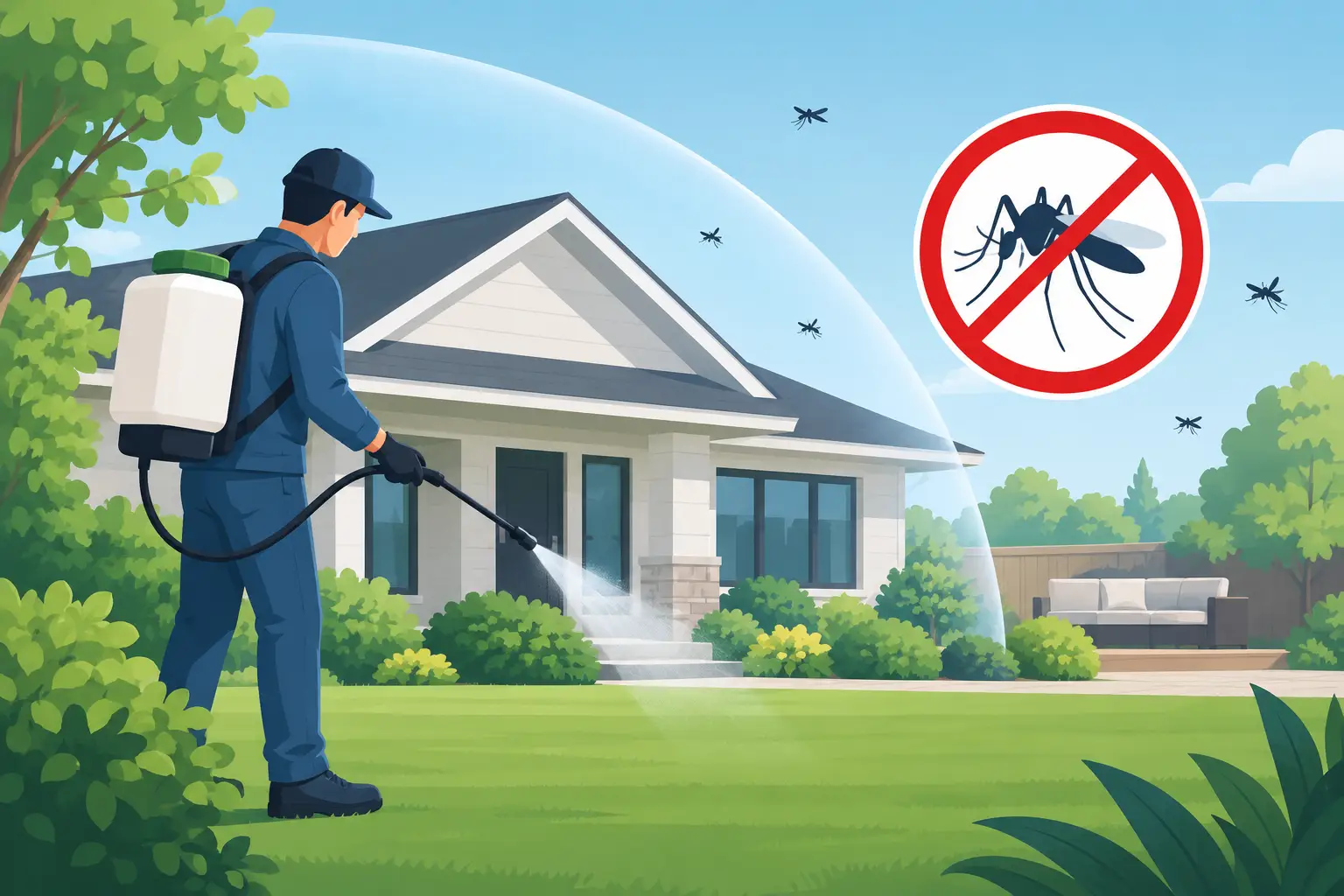
A few inches of water in a forgotten bucket, clogged gutter, or unused tire can become a mosquito nursery in days. Effective mosquito control starts before adults are buzzing around patios, entryways, staff break areas, and customer seating. The goal is not simply to reduce an evening nuisance. It is to make your property less attractive for breeding, resting, and feeding.
For homeowners, that means more comfortable time outdoors and fewer bites for children and pets. For landlords, restaurants, offices, and industrial sites, it supports a cleaner, more welcoming property and helps prevent a small outdoor issue from becoming a repeated complaint. The right approach depends on the size of the property, nearby vegetation, drainage conditions, and how quickly mosquitoes return after rain.
Why Mosquitoes Keep Coming Back
Mosquitoes need moisture to complete their life cycle, but they do not need a pond. Many species use small, protected pockets of standing water: flowerpot trays, tarps, wheelbarrows, discarded containers, blocked drains, birdbaths, and low areas that hold water after a storm. Warm weather speeds up their development, so a property can go from seemingly quiet to active very quickly.
Adult mosquitoes also need places to rest during the day. Dense shrubs, tall grass, shaded decks, stacked materials, and damp areas near buildings give them cover from wind and heat. Removing standing water matters, but it works best when paired with attention to the places where adult mosquitoes shelter.
Properties near wooded areas, drainage ditches, ponds, or undeveloped land may experience more pressure than a tightly maintained urban lot. That does not mean the situation cannot be improved. It means property maintenance and targeted treatment may need to work together.
Start Mosquito Control at the Source
The most reliable mosquito reduction often comes from routine inspection. Walk the property after rain, not just on dry days. Look closely at areas where water collects out of sight, including behind buildings, around dumpsters, under outdoor equipment, and along fence lines.
Empty and scrub containers that collect water at least once a week. This includes pet bowls kept outdoors, toys, plant saucers, buckets, and birdbaths. Scrubbing is useful because mosquito eggs can remain attached to surfaces even after water has been poured out. Store containers upside down or under cover whenever possible.
Keep gutters, downspouts, and drains clear so water moves away from the building instead of pooling near foundations or walkways. Repair outdoor faucets that drip continuously, and correct low spots that stay wet after ordinary rainfall. On commercial properties, check loading areas, rooftop drainage, waste enclosures, and seldom-used sections of the site. These are easy areas to overlook during normal cleaning routines.
Water features need regular care rather than abandonment. A properly maintained pond with circulation is generally less appealing than stagnant water, while decorative features that are not maintained can become a problem. If water cannot be drained, a pest professional can help determine whether a site-specific larval treatment is appropriate.
Make Outdoor Areas Less Comfortable for Mosquitoes
Mosquitoes are weak fliers and prefer protected places. Keeping grass trimmed and pruning dense vegetation near patios, doors, windows, and outdoor work areas improves airflow and removes some of the shaded cover adults use during the day.
This is not a reason to strip a yard or commercial landscape bare. Healthy landscaping adds value, shade, and curb appeal. The practical balance is to keep vegetation maintained, avoid letting it crowd gathering areas, and remove yard waste that holds moisture. In heavily used outdoor spaces, fans can also make a noticeable difference because moving air makes it harder for mosquitoes to fly and land.
Check screens on windows, doors, vents, and outdoor enclosures. A small tear may not create the outdoor breeding issue, but it can turn a manageable exterior problem into an indoor annoyance. Door sweeps and properly closing doors are especially useful for businesses with frequent deliveries or customer traffic.
Protect People During Peak Mosquito Activity
Mosquito activity often increases around dawn and dusk, though local conditions and species can shift those patterns. When possible, schedule outdoor maintenance, events, and customer-facing work with that in mind. If people need to be outside, light-colored long sleeves and pants can reduce exposed skin without adding much complexity.
Use an insect repellent according to its label directions, especially during extended outdoor activity. For homes, take extra care to select and apply products appropriately for children. For workplaces, provide clear guidance rather than assuming employees will know what protection is available or suitable for the task.
Restaurants, cafés, and hospitality settings face a different challenge: guests expect comfort without feeling as though they are sitting inside a pest-control project. Clean tables, prompt waste removal, maintained landscaping, working fans, and regular inspections create a better experience than relying on a single quick fix. Good mosquito management should support the atmosphere of the property, not disrupt it.
When DIY Efforts Are Not Enough
Basic prevention can go a long way, but it has limits. If mosquitoes are active across a large property, return immediately after rain, gather in thick vegetation, or affect outdoor operations, a professional inspection can save time and guesswork. The same is true when the source appears to be beyond the property line or involves drainage areas that cannot safely be handled by a property owner.
Professional mosquito control is most effective when it begins with an assessment of breeding conditions, resting areas, and activity zones. A trained technician can identify concerns that are easy to miss, explain the treatment plan in plain language, and recommend changes that reduce the need for repeated service. Treatment choices should account for the property type, nearby people and pets, weather, pollinator considerations, and the level of mosquito pressure.
For a home, the priority may be restoring use of a backyard before a family gathering. For an apartment complex, it may be reducing tenant complaints in common areas. For a business, the priority may be protecting outdoor dining, staff entrances, or a facility perimeter without interrupting operations. The best plan is specific to the property rather than a one-size-fits-all spray schedule.
North Peace Pest Control and Maintenance Corporation helps property owners address mosquito concerns with practical inspections, responsible treatment options, and prevention guidance that fits how the site is actually used.
Mosquito Control for Commercial and Industrial Properties
Large sites benefit from a documented routine. Assign responsibility for checking drainage, waste areas, exterior storage, landscaping, and outdoor water sources. This does not need to become a complicated process. A short inspection after heavy rain can identify problems before they become persistent.
Garbage and recycling areas deserve particular attention. Containers, lids, surrounding surfaces, and drainage channels should be kept clean and free of pooled water. Regular sanitation supports mosquito prevention while also helping control odors and other pest pressures. For property managers, this is one reason pest management and site hygiene work best as connected services rather than separate afterthoughts.
Keep records of recurring trouble spots and the conditions present when activity increases. If mosquitoes are consistently worse near one entrance, storage yard, or landscaped corner, that information helps direct maintenance and treatment where it will have the greatest effect. It also makes seasonal planning more reliable year after year.
A Practical Seasonal Routine
Early season is the time to clear gutters, inspect drainage, remove containers, and address landscape maintenance before mosquito numbers rise. During rainy periods, increase inspections and focus on areas that hold water for several days. In the warmest part of the season, monitor high-use outdoor spaces closely and respond quickly to new activity.
There is no permanent, zero-maintenance answer when weather and surrounding habitat support mosquitoes. Consistent prevention, timely repairs, and professional help when conditions call for it will produce better results than waiting until outdoor space becomes unusable. A clean, dry, well-maintained property gives mosquitoes fewer places to start and gives the people who use that property more room to enjoy it.