
Best Ways to Reduce Indoor Allergens at Home
Use the best ways reduce indoor allergens: smart cleaning, moisture control, and pest prevention for healthier homes, offices, and rentals all year.
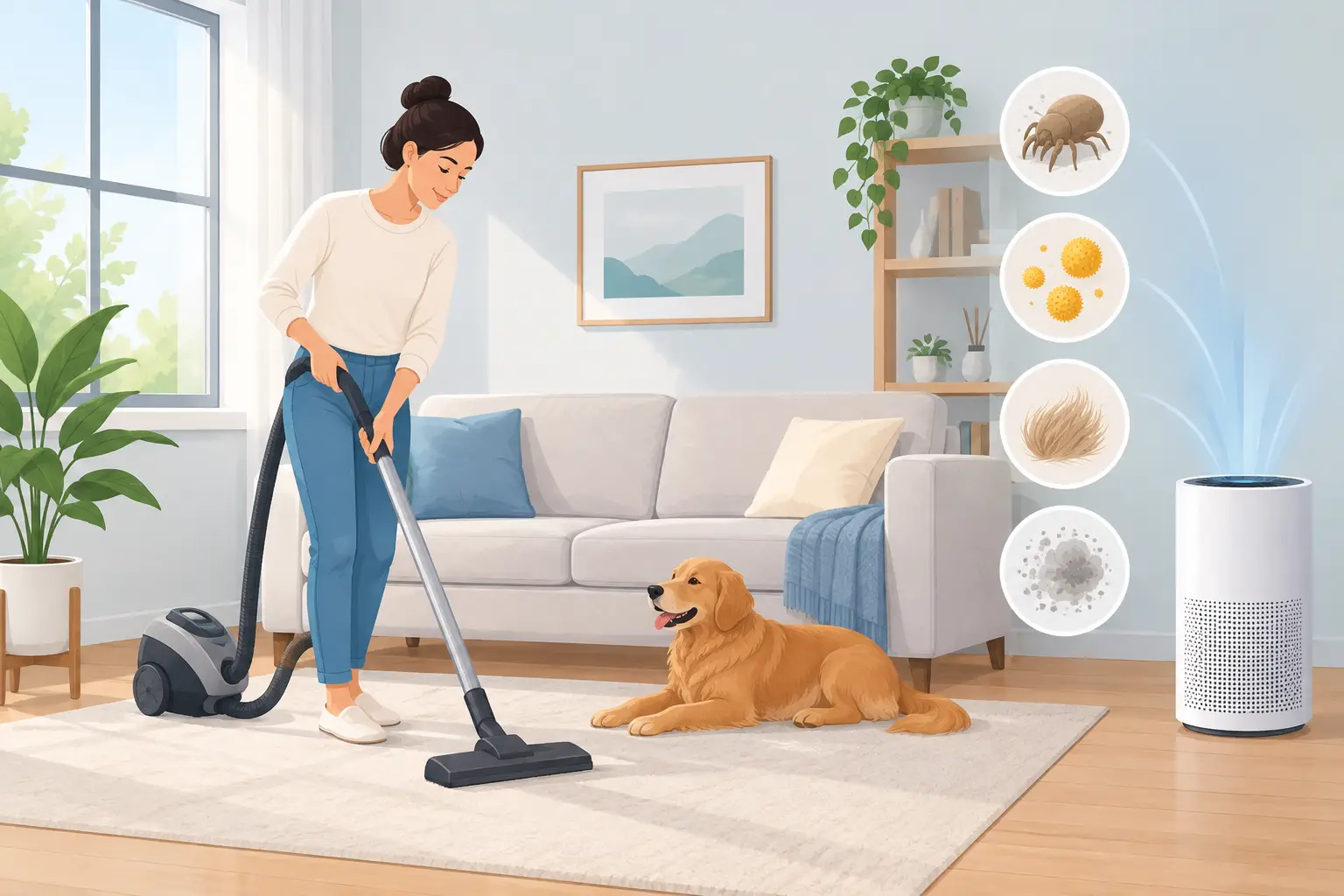
A clean-looking room can still hold the particles that trigger sneezing, itchy eyes, coughing, or asthma flare-ups. Dust settles inside upholstery and carpet fibers, pet dander clings to soft surfaces, and moisture can support mold growth in places few people check. The best ways to reduce indoor allergens focus on removing what is already present, controlling the conditions that help allergens build up, and addressing pest activity before it becomes a sanitation concern.
For homeowners, landlords, and facility managers, the goal is not a perfectly sterile property. It is a cleaner, drier, easier-to-maintain space where people can breathe and work more comfortably.
Start With the Allergens Already in the Building
Most indoor allergy problems come from a small group of sources: dust mites, pet dander, mold spores, outdoor pollen brought inside, and pest-related allergens. Each source needs a slightly different response, which is why simply spraying an air freshener or doing a quick surface wipe rarely solves the problem.
Dust mites are especially common in bedding, mattresses, upholstered furniture, carpets, and fabric window coverings. They thrive where warmth, humidity, and skin flakes are available. Pet dander is lighter than visible pet hair and can remain in a room long after an animal leaves. Pollen enters through open windows, doors, shoes, coats, and ventilation systems. Mold can develop around leaks, damp bathrooms, laundry areas, and poorly ventilated storage spaces.
In commercial settings, the same sources often collect in entrance mats, break-room seating, carpeted offices, lockers, storage areas, and high-traffic corridors. A regular cleaning schedule matters because allergens accumulate gradually, then become airborne again when people walk, vacuum with poor equipment, or disturb fabrics.
Best Ways to Reduce Indoor Allergens Through Cleaning
Cleaning works best when it captures allergens instead of moving them around. Dry dusting with a feather duster can send fine particles back into the air. Use a damp microfiber cloth on hard surfaces so dust is collected rather than redistributed. Clean shelves, baseboards, ceiling fan blades, blinds, and the tops of cabinets, where dust can sit unnoticed for weeks.
Vacuum carpets and upholstered furniture at least once or twice a week in homes with allergy sufferers, pets, or heavy foot traffic. A vacuum with a high-efficiency filter is the better choice because it is designed to retain smaller particles. Go slowly over carpets, especially around furniture, beds, and entryways. Quick passes may remove visible debris but leave deeper dust behind.
Carpets deserve extra attention because they act like large filters. They trap soil, dander, dust, and pollen, then release some of it when walked on. Routine vacuuming helps, but periodic professional carpet cleaning can remove embedded buildup that household equipment may not reach. This can be particularly useful in rentals between tenants, offices with shared workspaces, and homes with pets.
Wash bedding weekly in hot water when possible. Sheets, pillowcases, blankets, and mattress covers are all part of the allergy-control routine. Use allergen-resistant covers on mattresses and pillows if dust mite sensitivity is a concern. Wash pet bedding regularly as well, and keep it away from bedrooms whenever practical.
Control Moisture Before Mold Can Spread
Moisture control is one of the most effective ways to make an indoor space less friendly to mold and dust mites. The target is generally indoor humidity below 50 percent. In colder climates, indoor humidity may need to be lower during winter to prevent condensation on windows and walls.
Run bathroom exhaust fans during showers and for a period afterward. Use kitchen ventilation while cooking, particularly when boiling water or preparing foods that create steam. Repair dripping pipes, leaking appliances, roof leaks, and damaged seals around windows as soon as possible. A small, persistent leak under a sink can create a mold problem inside cabinets before anyone notices an odor.
Basements, crawlspaces, utility rooms, and storage areas often need the closest monitoring. A dehumidifier can help in damp areas, but it must be emptied and cleaned according to the manufacturer’s directions. Otherwise, the unit itself can become a source of musty odor and microbial growth.
If you see recurring discoloration, peeling paint, warped materials, or smell a persistent musty odor, look beyond surface cleaning. The moisture source must be corrected. Cleaning without fixing the leak only creates a temporary improvement.
Keep Pollen From Taking Over Indoors
Pollen season can make indoor symptoms worse even for people who spend most of their day inside. The simplest defense is reducing what comes through the door. Use sturdy entry mats both outside and inside, and clean them often. Encourage family members, employees, or tenants to remove shoes near the entrance when appropriate.
During high-pollen days, keep windows closed if air conditioning is available. Change HVAC filters on schedule and choose the filter rating recommended for the building’s system. A filter that is too restrictive can reduce airflow and strain equipment, so stronger is not always better. Property managers and business owners should also include vents, returns, and filter changes in routine maintenance records.
Showering and changing clothes after extended time outdoors can reduce the pollen carried into bedrooms and upholstered furniture. This is a small habit, but it can make a noticeable difference during peak seasonal periods.
Manage Pets Without Making the Home Unlivable
Pets are part of the household, and reducing dander does not automatically mean removing them. The practical approach is setting boundaries and cleaning strategically. Keep pets out of bedrooms, especially the bedroom of anyone with allergies or asthma. Choose washable pet bedding and bathe or groom pets regularly based on their needs and a veterinarian’s guidance.
Hard flooring is easier to clean than wall-to-wall carpet, but replacing floors is not always realistic. If carpet stays, increase vacuuming around pet sleeping areas and schedule deep cleaning as needed. Furniture throws or washable covers can also make it easier to remove dander from favorite pet spots.
Air cleaners with high-efficiency particulate filtration may help reduce airborne particles in bedrooms or enclosed offices. They are most useful as a supplement to cleaning and source control, not as a replacement for either. The right size depends on the room, and doors or windows left open will affect performance.
Do Not Overlook Pest-Related Allergens
Pests can affect indoor air quality as well as property hygiene. Rodents can leave droppings, urine, nesting material, and contamination in hidden areas. Cockroach debris, saliva, and droppings are known allergy and asthma triggers, particularly for children. Even after pests are no longer visible, residue in cabinets, behind appliances, utility spaces, or wall voids may need careful cleanup.
Prevention begins with sanitation. Store food in sealed containers, clean crumbs and spills promptly, remove garbage regularly, and keep outdoor bins clean and closed. Seal gaps around pipes, doors, and utility openings where pests can enter. Clutter also gives pests more places to hide, making inspections and cleaning more difficult.
When pest activity is present, do not rely on fragrance sprays or scattered store-bought products alone. An effective response starts with an inspection to identify the pest, locate entry points, assess sanitation issues, and select a treatment plan appropriate for the property. For homes, workplaces, restaurants, and rental units, professional pest management paired with proper cleaning can help remove the immediate issue and reduce the chance of recurring allergen exposure.
Build a Routine That Fits the Property
The best routine is one people can actually maintain. In a busy home, that may mean weekly bedding changes, regular vacuuming, quick moisture checks, and a monthly review of vents and pet areas. In a commercial property, assign responsibilities for washrooms, break rooms, garbage areas, entrance mats, filter changes, and spill response so tasks do not fall through the cracks.
Landlords should inspect for leaks, ventilation problems, and signs of pests between tenancies rather than waiting for a complaint. Restaurant and café operators should pay close attention to food storage, floor edges, drains, waste areas, and back-of-house equipment. Facilities with carpets, fabric partitions, or high public traffic may benefit from scheduled deep cleaning to keep allergen buildup manageable.
If symptoms continue despite consistent cleaning, consider the timing and location of the problem. Symptoms that worsen in one room may point to a damp area, a dirty vent, hidden dust buildup, or pest activity nearby. Severe or persistent allergy and asthma symptoms should also be discussed with a qualified healthcare professional.
A healthier indoor environment is built through steady, practical care. Keep moisture under control, clean where allergens settle, limit what enters from outdoors, and act quickly when pests or sanitation issues appear. Small maintenance steps taken regularly can protect comfort at home and help keep workplaces ready for employees, customers, and tenants.