
Are Pest Treatments Pet Safe? What Owners Should Know
Are pest treatments pet safe? Learn how professional treatment protects dogs, cats, and other animals before, during, and after service at home or work.
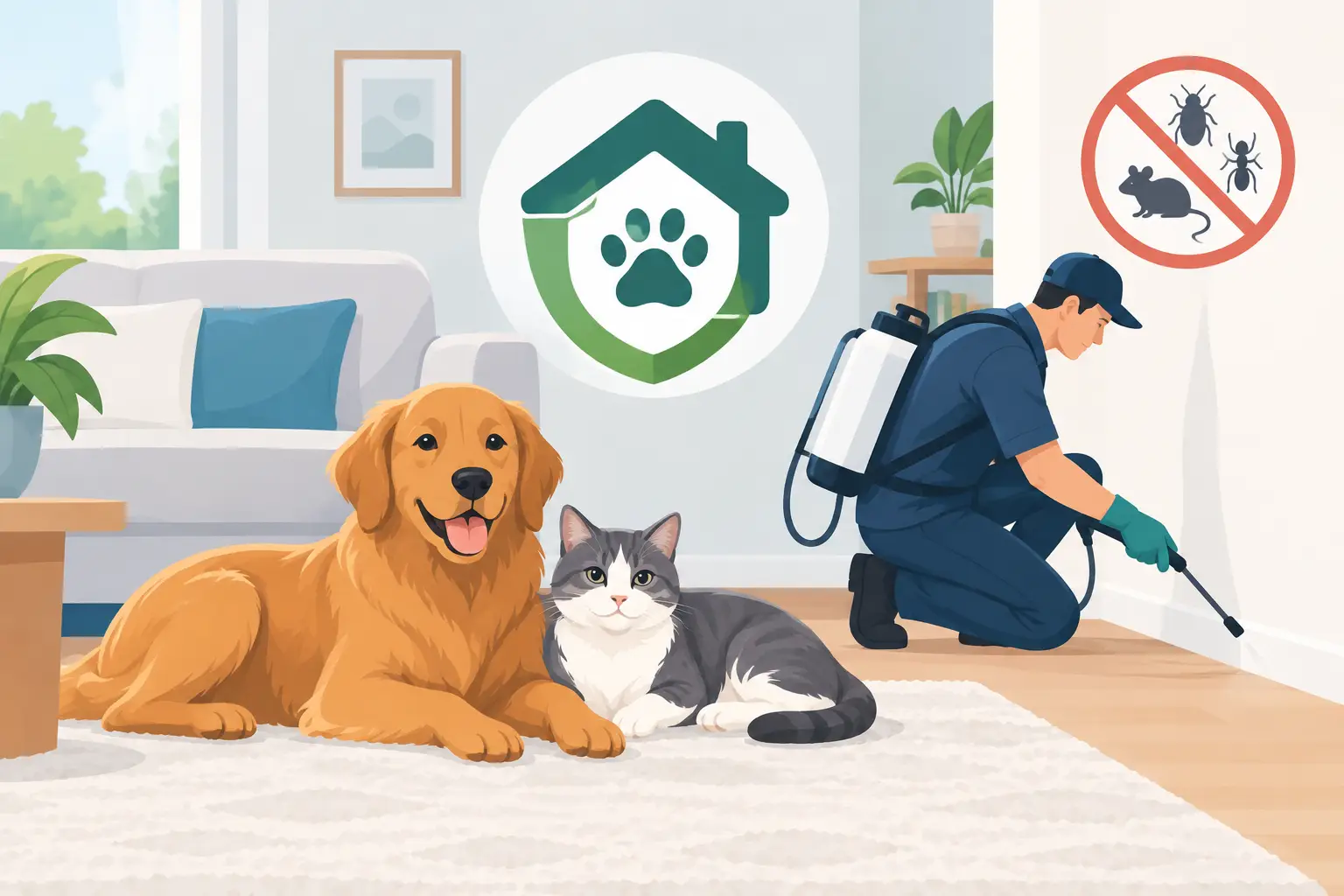
A dog licking along a baseboard, a cat sleeping behind the sofa, or a curious bird watching from its cage can make a pest problem feel more complicated. Are pest treatments pet safe? In most cases, yes - when the treatment is selected for the pest, applied correctly, and paired with clear instructions for protecting every animal in the property.
The key is not assuming that every product, method, or situation is the same. A responsible pest professional looks at the infestation, the layout of the property, the pets present, and the areas they can access. That allows the treatment plan to solve the pest issue while keeping unnecessary exposure low.
Are Pest Treatments Pet Safe? Usually, With Proper Planning
Pet safety is built into the treatment process, not added as an afterthought. Professional products are regulated and used according to label directions, which specify where they can be applied, how much can be used, and when people and pets may return to a treated area.
That does not mean a pet should be allowed around a treatment while it is being applied or before it has dried. It means the risk can be managed when a trained technician uses the right method and the property owner follows preparation and re-entry instructions.
For example, a targeted ant treatment in a crack may require far less access restriction than a broader treatment for a widespread cockroach problem. Rodent control may rely on secured tamper-resistant stations placed where pets cannot reach them. Bed bug service can involve detailed preparation because treatment must reach the places pests hide. Each problem calls for a different plan.
A good provider should explain what will be used, where it will be applied, how long pets should stay out of the area, and what steps to take afterward. If those questions are not answered clearly, ask before work begins.
What Determines Whether a Treatment Is Safe for Your Pet?
The pest is only one part of the decision. The type of pet, its habits, and the environment matter just as much. A large dog that stays off countertops has different exposure risks than a cat that climbs shelving, a rabbit that chews baseboards, or a toddler-aged puppy that investigates everything with its mouth.
The treatment method
Modern pest control does not always mean spraying an entire room. Depending on the issue, a technician may use monitoring devices, exclusion work, targeted crack-and-crevice applications, bait placements in protected locations, or physical removal. Choosing the least disruptive effective method is often the best approach for homes, restaurants, offices, and other occupied spaces.
Where the product is placed
Application location is critical. Treatments should be directed into pest travel routes, voids, entry points, or other appropriate areas - not placed where an animal can easily lick, chew, or disturb them. Food bowls, pet bedding, toys, litter boxes, aquariums, and cages should be protected or moved before service.
Your pet's species and behavior
Dogs and cats are common concerns, but they are not the only ones. Birds, fish, reptiles, and small mammals can be more sensitive to environmental changes and airborne products. Tell the technician about every animal on-site, including pets kept in garages, utility rooms, storage areas, or workspaces. Also mention animals that are elderly, ill, pregnant, prone to chewing, or taking medication.
Whether the instructions are followed
Even a carefully selected treatment can create avoidable problems if re-entry guidance is ignored. Keeping pets out of the service area until the technician says it is ready is one of the simplest and most effective safety measures a property owner can take.
How to Prepare Your Home or Business Before Service
Preparation helps treatment work better and gives pets a safer, calmer experience. North Peace Pest Control and Maintenance Corporation provides property-specific instructions because a family home with two cats is not the same as a café with a service dog nearby or a warehouse with outdoor wildlife around the building.
Before a scheduled treatment, make arrangements to keep pets in an untreated area or off-site for the required period. Secure animals before the technician arrives so doors can be opened, inspection areas can be reached, and pets cannot slip outside during service.
For a smooth appointment, take these practical steps:
- Remove pet food, water dishes, treats, toys, bedding, and chew items from areas being treated.
- Cover or relocate fish tanks and ask for specific guidance about air pumps, filters, and nearby treatment areas.
- Move bird cages, reptile enclosures, and small-animal habitats away from the work zone whenever possible.
- Pick up pet waste and reduce clutter near walls, under sinks, and around storage spaces so pest activity and entry points can be inspected.
- Tell the technician about any pet-access areas you are concerned about, including balconies, yards, garages, crawl spaces, and feeding stations.
Do not apply store-bought sprays, powders, or foggers right before professional service unless you have discussed them first. Mixing products or covering pest activity can make the issue harder to diagnose. It can also increase exposure without improving results.
What to Do After a Pest Treatment
Once the service is complete, follow the technician's specific re-entry instructions. Often, pets can return after treated surfaces are dry and the recommended wait time has passed. The exact timing depends on the product, application method, ventilation, and treated area.
When you bring pets back, check that food bowls, toys, bedding, and cages are clean and back in place. Do not let pets lick treated surfaces, investigate bait stations, or enter restricted areas. If a station, trap, or treatment device becomes damaged or moved, keep your pet away from it and contact your pest control provider.
Resist the urge to scrub every treated edge or crack immediately. In many cases, cleaning too soon can reduce the treatment's effectiveness and allow pests to return. Your technician can tell you which surfaces can be cleaned normally, which areas should be left alone for a period, and how to handle routine vacuuming or mopping.
Outdoor care matters, too. Keep dogs and cats away from treated exterior zones until the instructed time has passed. Avoid moving outdoor bait stations, and make sure gates, sheds, garbage areas, and fence lines remain secure. A well-managed exterior helps reduce pest pressure before it reaches the living or working space.
When Should You Call a Veterinarian?
Problems are uncommon when products are used properly and instructions are followed, but quick action is always wise if you think a pet has contacted or eaten a pest-control product. Save any available product information, remove the pet from the area, and call your veterinarian or an animal poison control resource for immediate guidance.
Possible warning signs can include unusual drooling, vomiting, shaking, weakness, trouble breathing, agitation, or changes in coordination. These signs can have many causes, so do not try to diagnose the problem yourself. Let a veterinary professional know what your pet may have encountered, when it happened, and how much contact may have occurred.
Pet-Safe Pest Control Starts With Clear Communication
A pest issue should not force you to choose between a cleaner property and your pet's well-being. The safest results come from a thorough inspection, targeted treatment, careful preparation, and honest instructions that fit the animals and people who use the space.
When you schedule service, be upfront about your pets and their routines. A professional team can plan around them, answer your questions plainly, and help you restore a comfortable, pest-free property without leaving safety to guesswork.