
How to Clean Tile Grout Without Damaging It
Learn how to clean tile grout safely, remove stains and odors, and know when professional tile cleaning can restore a healthier space for everyone.
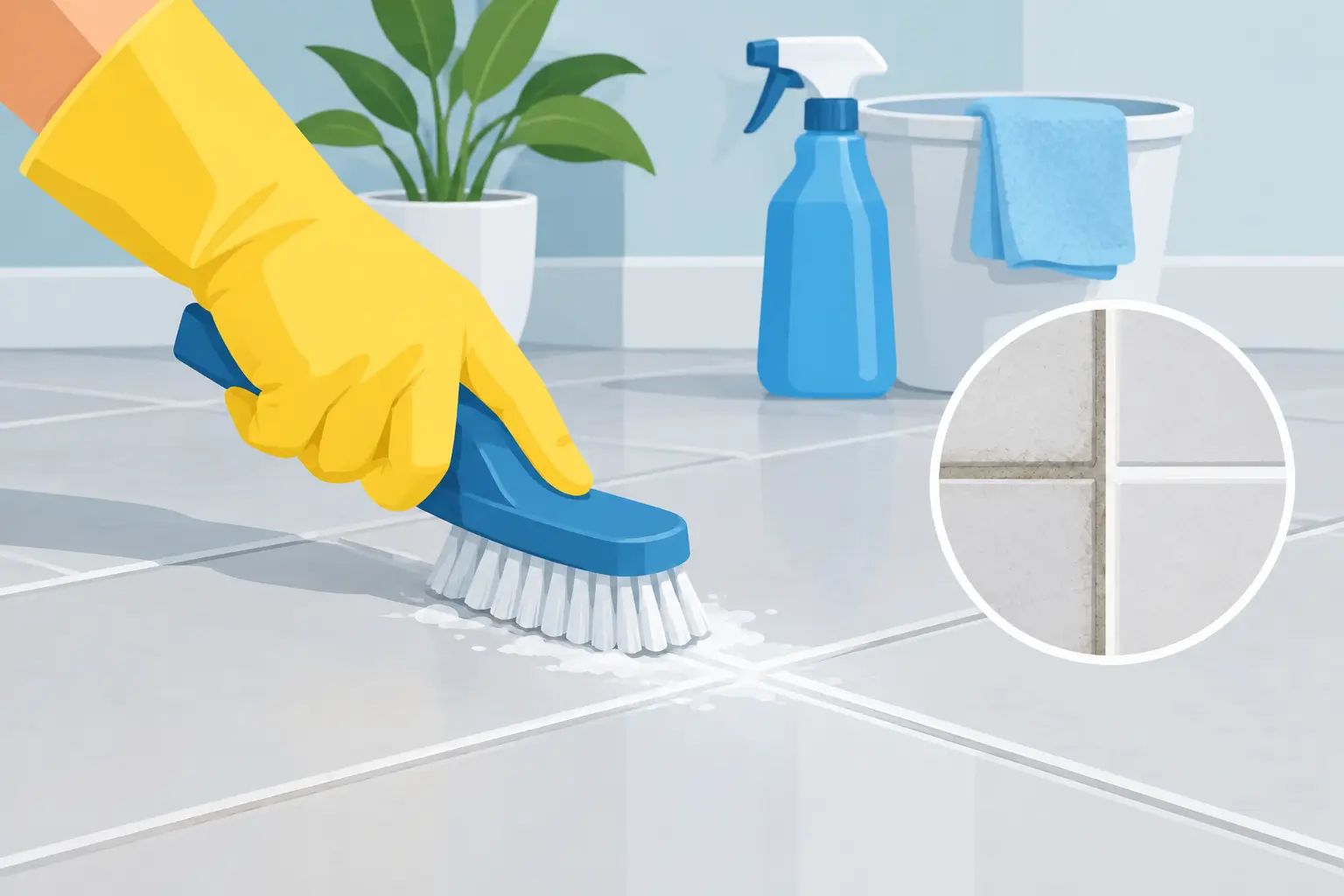
A tiled floor can look clean at a glance while the grout tells a different story. Dark lines, sticky buildup, food residue, and lingering odors collect in grout because it is porous and sits lower than the tile surface. Knowing how to clean tile grout properly helps protect the appearance of your floors while supporting a cleaner, healthier property.
For homes, dirty grout can make kitchens, bathrooms, entryways, and laundry rooms feel neglected even after regular mopping. In restaurants, offices, rental properties, and industrial facilities, it can affect customer confidence, sanitation standards, and the overall condition of high-traffic areas. The right method depends on the type of stain, the tile material, and how long buildup has been present.
Why Grout Gets Dirty So Quickly
Grout is a cement-based material in many tile installations, which means it has tiny pores that can absorb moisture, grease, soap residue, dirt, and spills. Mopping alone often moves dirty water across the floor without lifting the contamination trapped inside those pores.
Bathrooms commonly develop soap scum, mineral deposits, and mildew staining. Kitchen grout often absorbs grease, cooking residue, and tracked-in dirt. Commercial entryways and washrooms face a different challenge: constant foot traffic that presses soil deeper into the grout lines.
Color changes are not always just surface dirt. Grout may look gray, brown, yellow, or black because of staining below the surface. That is why harsh scrubbing sometimes produces disappointing results, especially when the wrong cleaner is used.
Start With the Safest Cleaning Method
Before using a strong product, remove loose dirt from the area. Vacuum or sweep carefully along tile edges and grout lines. This step matters because dry grit can act like sandpaper when you begin scrubbing.
For routine cleaning, use warm water with a small amount of pH-neutral tile cleaner. Apply the solution to a manageable area, allow it to sit briefly, then scrub the grout with a stiff nylon brush. Avoid metal brushes. They can scratch tile, damage grout, and leave behind small metal particles that may rust.
Work in sections rather than soaking the entire floor. Too much water can spread dirty residue, seep into weak grout, or create slippery conditions in a busy facility. After scrubbing, rinse with clean water and remove the dirty water with a mop, towels, or a wet vacuum.
A toothbrush may work for a small backsplash or shower corner, but it is not practical for a large floor. Using the right brush size and cleaning equipment saves time and gives more consistent results.
Treating Grease and Food Stains
Greasy grout needs a cleaner that can break down oils without leaving a sticky film. A mild degreasing product designed for tile and grout is usually more effective than simply adding more soap. Apply it according to the product directions, give it time to work, then agitate the grout and remove the residue completely.
This is particularly important in commercial kitchens, cafés, break rooms, and restaurant washrooms. Grease can hold dirt in place and create odors over time. If floors remain slick after cleaning, there may be detergent residue, grease buildup, or both.
Handling Bathroom Stains and Mildew
Soap residue, hard-water minerals, and mildew can leave grout looking darker than it is. For light buildup, a tile-safe bathroom cleaner and nylon brush may be enough. For persistent staining, a grout-specific cleaner may be needed.
Bleach is sometimes used for white grout, but it is not always the best answer. It can lighten surface stains, yet frequent use may weaken grout, irritate occupants, and create strong fumes in poorly ventilated spaces. Never mix bleach with other cleaners, particularly products containing acids or ammonia.
Vinegar is another common household suggestion, but it is not suitable for every floor. Acidic cleaners can damage natural stone such as marble, travertine, limestone, and some finishes around tile installations. When in doubt, use a pH-neutral product or test a small, hidden area first.
The Cleaning Process That Produces Better Results
Thorough grout cleaning is less about one miracle product and more about using the right process. For most ceramic or porcelain tile floors, follow these steps:
- Remove loose debris by vacuuming or sweeping.
- Apply a tile-safe cleaner appropriate for grease, soap scum, or general soil.
- Let the cleaner dwell for the recommended time so it can loosen buildup.
- Scrub grout lines with a nylon grout brush or mechanical scrubber.
- Rinse thoroughly and extract dirty water instead of spreading it across the floor.
- Allow the surface to dry fully before judging the final color of the grout.
The extraction step is where many DIY attempts fall short. Once soil has been loosened, it needs to be removed from the floor. A mop that is already dirty can redeposit residue into the grout lines and make the floor look dull again soon afterward.
When Deep Cleaning Is the Better Choice
Regular cleaning can control everyday dirt, but deep cleaning may be necessary when grout has not been maintained for months or years. Professional equipment uses controlled solution application, agitation, and extraction to lift embedded soil more effectively than hand scrubbing alone.
Deep cleaning is often worthwhile before listing a rental unit, reopening a seasonal business, preparing for an inspection, or restoring a customer-facing space. It can also help property managers address recurring complaints about odors, dirty restroom floors, or worn-looking tile in common areas.
Not every stained grout line will return to its original color. Older grout can be permanently discolored, cracked, or worn away. In those cases, cleaning may improve the surface considerably, but grout repair, recoloring, or replacement could be the more practical long-term option. A trained technician can explain what cleaning can realistically achieve before work begins.
Protect Clean Grout After the Work Is Done
Once grout is clean and fully dry, sealing may help reduce future staining. A penetrating grout sealer creates a barrier that slows the absorption of spills and dirt. It does not make grout maintenance-free, but it gives you more time to clean up spills before they set in.
Sealer is most helpful in bathrooms, kitchens, entrances, and other areas exposed to water or heavy use. The correct sealer and application schedule depend on the grout type, traffic level, and cleaning routine. Some newer grout products may not require the same treatment, so it is worth confirming what is installed before applying anything.
Daily maintenance also makes a real difference. Use entrance mats to reduce tracked-in soil, clean spills promptly, and avoid using too much detergent during routine mopping. In commercial spaces, scheduled floor care is usually less disruptive and less costly than waiting until grout becomes visibly dark and difficult to restore.
Signs You Should Call a Professional
Professional tile and grout cleaning is a sensible option when floors remain dirty after repeated cleaning, odors persist, or a large area needs attention quickly. It is also useful when you are responsible for a restaurant, office, apartment building, or facility where flooring affects safety and presentation.
North Peace Pest Control and Maintenance Corporation provides practical cleaning support for properties that need more than a quick surface mop. A proper assessment can identify whether the problem is grease, mineral scale, embedded soil, damaged grout, or an ineffective cleaning routine, then match the service to the condition of the space.
Clean grout does more than brighten tile. It helps a bathroom feel cared for, gives customers a better first impression, and makes routine property hygiene easier to manage. Addressing buildup early keeps a small cleaning task from becoming a larger restoration project.