
Office Sanitation That Keeps Workplaces Ready
Office sanitation helps reduce odors, pests, and workplace disruption. Learn what a practical cleaning plan should cover to keep your team ready daily.
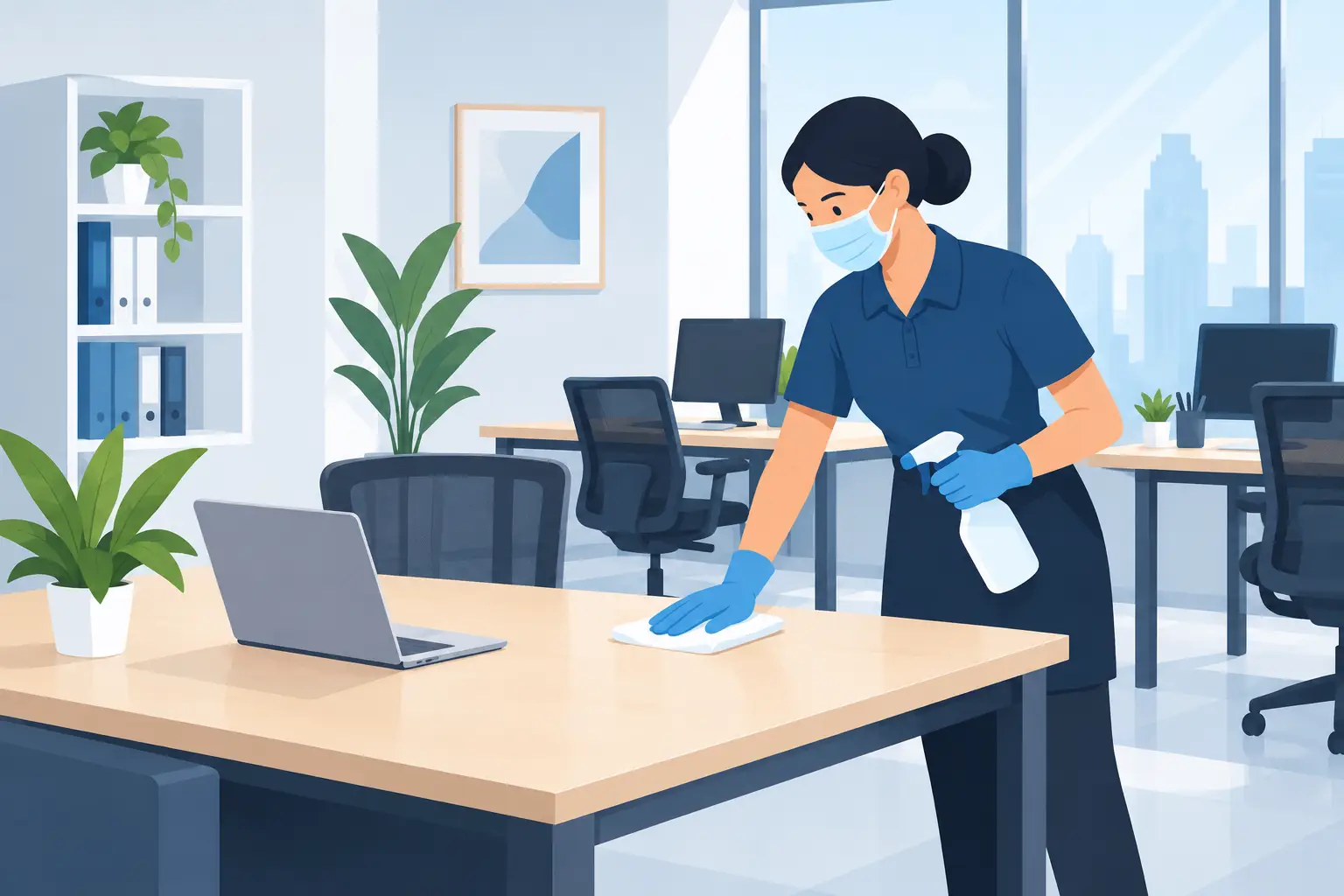
A sticky break-room counter, an overflowing trash can, or a lingering odor near the restroom can change how employees and visitors feel about an office in seconds. Office sanitation is not simply about making a workplace look presentable. It is the routine work of controlling waste, cleaning high-touch surfaces, managing moisture, and removing the conditions that allow odors and pests to become a bigger problem.
For office managers, property managers, and business owners, the goal is straightforward: keep the space clean, safe, and ready for work without creating unnecessary disruption. A practical sanitation plan supports employee comfort, protects the company’s image, and gives pest activity fewer opportunities to start.
Why Office Sanitation Needs More Than Surface Cleaning
A quick wipe-down at the end of the day has value, but it cannot carry the full burden of workplace hygiene. Offices have shared kitchens, restrooms, reception areas, desks, meeting rooms, storage spaces, and waste stations. Each area collects a different mix of food residue, moisture, dust, fingerprints, and debris.
The areas people notice first are usually the most visible ones: glass doors, floors, reception counters, and restrooms. The areas that create repeat sanitation issues are often less obvious. Crumbs behind appliances, spills under break-room furniture, full recycling bins, damp mop heads, and neglected floor drains can lead to odors and attract ants, cockroaches, rodents, or flies.
That connection matters. Cleaning and pest prevention work best together. A pest treatment may address an active issue, but sanitation helps remove the food, water, and shelter that make a workplace attractive afterward. Likewise, cleaning without checking for pest activity can leave the source of a recurring problem untreated.
The Areas That Deserve the Most Attention
Every workplace has a different traffic pattern, so no two service schedules should be identical. A small professional office may need detailed attention in restrooms and shared kitchens, while a warehouse office may need stronger waste control and entry-point checks. Still, several areas consistently deserve priority.
Break Rooms and Coffee Stations
Break rooms concentrate the things pests need most: food, water, warmth, and hiding places. Coffee grounds, spilled sweeteners, snack crumbs, and food left overnight can turn a tidy-looking room into a feeding source.
Counters, sinks, microwaves, refrigerator handles, cabinet fronts, and tables should be cleaned regularly. The space beneath and behind appliances should also be included in periodic deep cleaning. Employees can help by storing food in sealed containers, cleaning spills promptly, and emptying personal food from desks before long weekends or office closures.
Restrooms and Wash Areas
Restrooms need more than routine cleaning for appearance. Fixtures, partitions, floors, soap dispensers, handles, and waste containers all require consistent attention. Moisture around toilets or sinks should be addressed quickly, because standing water can create odor issues and support pest activity.
A good restroom program includes restocking supplies before they run out, removing trash before it overflows, and checking for leaks. If an odor returns shortly after cleaning, it may point to a drain, plumbing, ventilation, or hidden moisture issue that needs further investigation.
Desks, Meeting Rooms, and High-Touch Points
Shared touchpoints are easy to overlook because they rarely look dirty. Door handles, elevator buttons, light switches, copier controls, shared keyboards, conference tables, and refrigerator handles are used throughout the day by multiple people.
These surfaces benefit from regular cleaning with products appropriate for the material and workplace. The right frequency depends on occupancy and use. A busy office with frequent visitors needs more attention than a lightly staffed location, while a shared training room may need cleaning after every session.
Trash, Recycling, and Outdoor Waste Areas
Waste management is often the dividing line between a controlled facility and a recurring sanitation problem. Indoor bins need liners, regular emptying, and cleaning when leaks occur. Recycling containers should not become storage for rinsed-but-still-sticky bottles and food containers.
Outdoor garbage bins and dumpsters deserve the same level of attention. Residue, loose bags, damaged lids, and spills around the enclosure can create strong odors and attract pests. Scheduled bin and dumpster sanitation helps control buildup that routine waste collection does not remove.
Build a Schedule That Matches How the Office Is Used
The best cleaning schedule is not necessarily the most frequent one. It is the one that matches the building’s traffic, food use, hours, and operational needs. Overcleaning low-use areas can waste resources, while undercleaning a busy break room creates preventable problems.
Daily service commonly focuses on restrooms, trash removal, common-area floors, visible spills, and high-touch points. Weekly work can include more detailed kitchen cleaning, dust removal, glass cleaning, and floor care. Monthly or periodic service is often the right time for carpet cleaning, tile and grout care, detailed appliance-area cleaning, and sanitation of outdoor waste containers.
Managers should also plan for the moments when normal schedules are not enough. Staff events, construction work, seasonal weather, a pest sighting, a plumbing leak, or an illness-related cleanup may call for a faster response and a more focused service visit.
What Employees Can Do Without Turning Them Into Janitors
A professional sanitation program works better when employees understand a few basic expectations. The goal is not to shift cleaning responsibilities onto office staff. It is to prevent small issues from becoming expensive or disruptive ones between scheduled visits.
Clear policies can cover food storage, dishwashing, desk clutter, spill reporting, and proper waste disposal. Managers should make these expectations easy to follow by providing covered bins, cleaning supplies for immediate spills, enough refrigerator space, and a clear point of contact for maintenance concerns.
It also helps to normalize reporting. Employees may hesitate to mention a pest sighting or a recurring odor because they do not want to overreact. Early reporting is exactly what prevents a minor issue from becoming a larger service interruption.
When Cleaning Signals a Larger Facility Problem
Some sanitation issues return because the underlying cause has not been corrected. For example, repeated water around a sink may indicate a slow leak. Persistent odor near a trash room may mean the floor, walls, or containers need deeper cleaning. Droppings, gnaw marks, insect activity, or recurring flies may indicate that pests have found an entry point or a reliable food source.
This is where inspection matters. A trained service provider can look beyond the visible mess and identify conditions contributing to the problem. That may include gaps around utility lines, damaged door sweeps, poor waste storage, moisture around plumbing, or overlooked buildup in carpets and floor edges.
North Peace Pest Control and Maintenance Corporation approaches these concerns as connected property-care issues. Cleaning, sanitation, and pest management should support one another, with clear explanations of what was found, what service is needed, and what steps can help prevent a repeat issue.
Choosing a Reliable Office Sanitation Partner
A dependable provider should be able to work around business hours, communicate clearly, and adapt service to the property rather than applying a one-size-fits-all checklist. Ask how the team handles high-traffic areas, waste stations, restrooms, floor care, and sanitation concerns that may be linked to pests or maintenance issues.
It is also reasonable to ask about products and methods, especially in offices with employees who have sensitivities, shared food areas, or customer-facing operations. Effective service should protect the work environment while using responsible methods suited to the space.
Office sanitation is easiest to manage when it becomes part of normal facility care, not a rushed response after complaints begin. A clean break room, fresh restroom, controlled waste area, and well-maintained workspace tell employees and visitors that the property is being looked after - and that confidence carries into every workday.