
Garbage Bin Cleaning Guide for Cleaner Properties
Use this garbage bin cleaning guide to remove odors, reduce pest activity, and keep home, business, and industrial waste areas sanitary all year, safely.
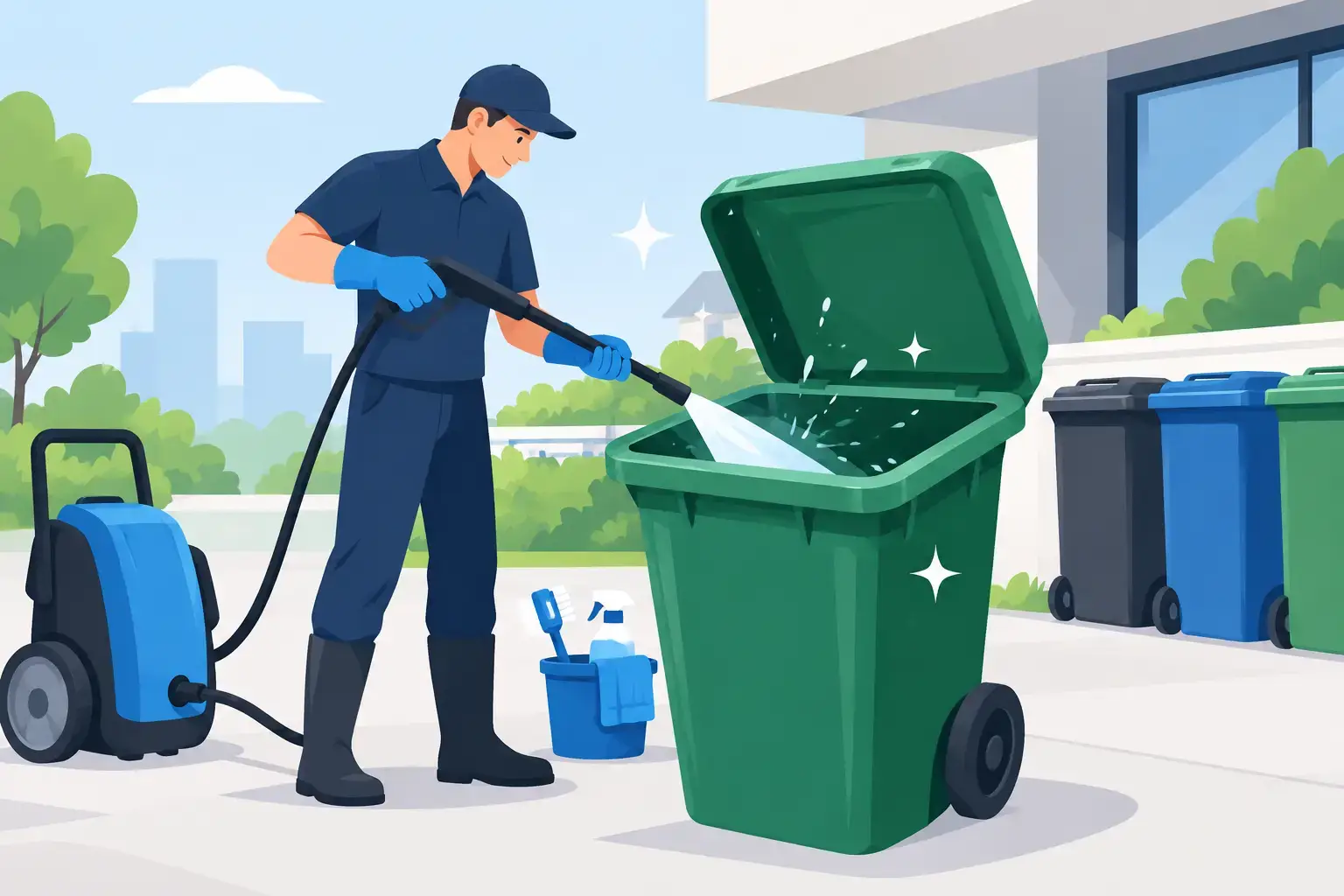
A garbage bin can look closed and contained while creating a much bigger hygiene problem around it. Food residue, leaked liquids, damp paper, and warm weather quickly create odors that attract flies, rodents, and crawling insects. This garbage bin cleaning guide explains how to clean bins safely, control the conditions pests look for, and keep waste areas presentable at home or at work.
Why a Dirty Bin Becomes a Pest Problem
Garbage bins collect more than trash. They collect residue along the lid, handles, wheels, and bottom seams - places that are often missed when a bag is removed. Once moisture and food waste sit in those areas, bacteria multiply and odors become stronger. A bin does not need to look overflowing to become unsanitary.
For homeowners, the first warning signs are often fruit flies around the kitchen bin, maggots in an outdoor cart, or an odor that returns soon after trash day. For restaurants, offices, rental properties, and industrial sites, the stakes are higher. Dirty bins can affect employee comfort, customer impressions, waste-handling safety, and the likelihood of pest activity near doors, loading areas, and storage rooms.
Cleaning the bin will not solve every pest issue on its own. A rodent can still enter through gaps in a building, and flies can breed in other wet organic material. But routine sanitation removes a reliable food source and breeding environment, making professional pest prevention more effective.
What You Need Before You Start
Choose a time when the bin is empty, ideally shortly after collection day. Cleaning a partly full bin wastes product and makes it harder to reach the bottom safely. Move the bin to a well-ventilated outdoor area with good drainage, away from storm drains, gardens, and waterways.
Wear gloves and closed-toe shoes. If you are dealing with heavy buildup, mold, maggots, or strong odors, add eye protection and a mask. Use a long-handled brush, a hose or pressure washer set to a moderate level, mild detergent or a bin-safe degreaser, and a disinfectant labeled for the surface you are treating.
Do not mix cleaning products. Bleach, ammonia, acids, and some drain cleaners can produce dangerous fumes when combined. Read the product label, follow its contact-time directions, and keep children and pets away until the bin is rinsed, dry, and returned to service.
Garbage Bin Cleaning Guide: A Practical Process
Start by removing loose debris from the bottom of the bin. Use a disposable scraper or paper towels for stuck material rather than forcing it down a drain. Bag the debris and place it in the next waste collection, if permitted in your area.
Rinse the inside, lid, rim, wheels, and exterior with water. Work from top to bottom so dirty water does not run back over areas you have already cleaned. A pressure washer can speed up large dumpster and commercial-cart cleaning, but too much pressure can spray contaminated water onto nearby walls, vehicles, or workers. Use the lowest setting that removes buildup effectively.
Apply detergent or degreaser to the interior surfaces and let it sit for the label-recommended time. Scrub the corners, lid hinges, rim, handles, wheel wells, and the underside of the lid. These contact points hold residue and are easy to overlook during a quick rinse.
Rinse thoroughly, then apply a disinfectant if the bin has held food waste, diapers, pet waste, raw-meat packaging, or visible biological residue. Cleaning removes soil; disinfecting addresses remaining germs on a clean surface. If heavy grease or compacted waste remains after the first wash, repeat the cleaning stage before disinfecting rather than adding more disinfectant.
Allow the bin to air-dry fully with the lid open. Moisture left at the bottom encourages odor and gives flies another reason to return. Once dry, place a fresh liner inside indoor bins and make sure outdoor lids close completely.
How Often Should Bins Be Cleaned?
Frequency depends on what goes into the bin, the temperature, and how much waste your property produces. A lightly used indoor trash can may only need a full wash every few weeks. Kitchen bins, pet-waste containers, and bins used for diapers need attention more often, especially during warmer months.
For a home, a practical routine is to wipe spills as they happen, rinse outdoor carts after a leak, and complete a deeper cleaning at least monthly during peak pest season. If odors return before then, do not wait for the calendar. Odor is a sign that residue or moisture is still present.
Commercial properties should set a documented schedule based on waste type and volume. Food-service bins, shared apartment dumpsters, and high-traffic facilities may need weekly or biweekly sanitation. Offices with mostly dry waste may need less frequent deep cleaning, but lids, handles, and surrounding pads should still be checked regularly. The right schedule is the one that prevents buildup rather than reacting after complaints or pest sightings.
Stop Odors Before They Start
The most effective odor control happens before trash reaches the outdoor bin. Drain excess liquid from containers, wrap food scraps securely, and avoid placing loose waste directly into a cart or dumpster. If a bag tears, clean the spill immediately instead of covering it with another bag.
Keep lids closed between collections. An open lid invites rain, wildlife, flies, and windblown debris. It also exposes food odors that can draw rodents toward the property. If a lid is cracked, bent, or missing, arrange a replacement through the waste provider as soon as possible.
For indoor bins, use liners sized to fit the container and remove them before they overfill. Overstuffed bags rub against the rim and leave residue behind. In businesses, clear waste-handling expectations for staff are often more useful than a stronger deodorizer. A clean bin starts with correct disposal and timely removal.
Clean the Area Around the Bin, Too
A sanitized cart sitting on a greasy, littered pad still gives pests what they need. Inspect the ground around bins for spills, standing water, damaged bags, and clutter that creates shelter. Sweep up loose debris and clean stains on concrete or hard surfaces using products appropriate for the area.
Keep dumpsters and carts away from exterior doors when possible, while maintaining safe access for collection vehicles. Trim vegetation back from the waste area and avoid stacking pallets, cardboard, or unused equipment beside bins. These materials can provide hiding places for rodents and cockroaches, making monitoring and treatment more difficult.
Check drainage after rain or washdowns. Water pooling near a garbage enclosure can intensify odors and support fly activity. If the same area stays wet, the solution may involve drainage maintenance, a change in cleaning methods, or a facility inspection rather than simply using more disinfectant.
When Professional Bin Sanitation Makes Sense
A routine household cart can often be handled with the process above. Large dumpsters, recurring fly or rodent activity, grease buildup, and shared commercial waste areas are different. They may require specialized equipment, controlled wastewater handling, and a sanitation schedule that does not interrupt operations.
Professional service is especially useful when a property has persistent odors despite regular cleaning, visible maggots, recurring pest sightings, or a waste area that affects customers and staff. A trained technician can identify whether the issue is limited to the bin or connected to drainage, storage practices, structural gaps, or nearby food sources.
North Peace Pest Control and Maintenance Corporation provides sanitation and pest-management support for properties that need a cleaner, safer waste area without adding another task to an already busy team. Scheduled service can help property managers and business owners maintain consistent conditions between waste pickups.
A clean garbage bin is not just a nicer place to put trash. It is a practical part of protecting the people, pets, employees, and customers who use your property every day.