
Commercial Sanitation Program Guide for Busy Sites
Use this commercial sanitation program guide to build cleaner, safer workplaces, reduce pest pressure, protect staff, and keep daily operations moving.
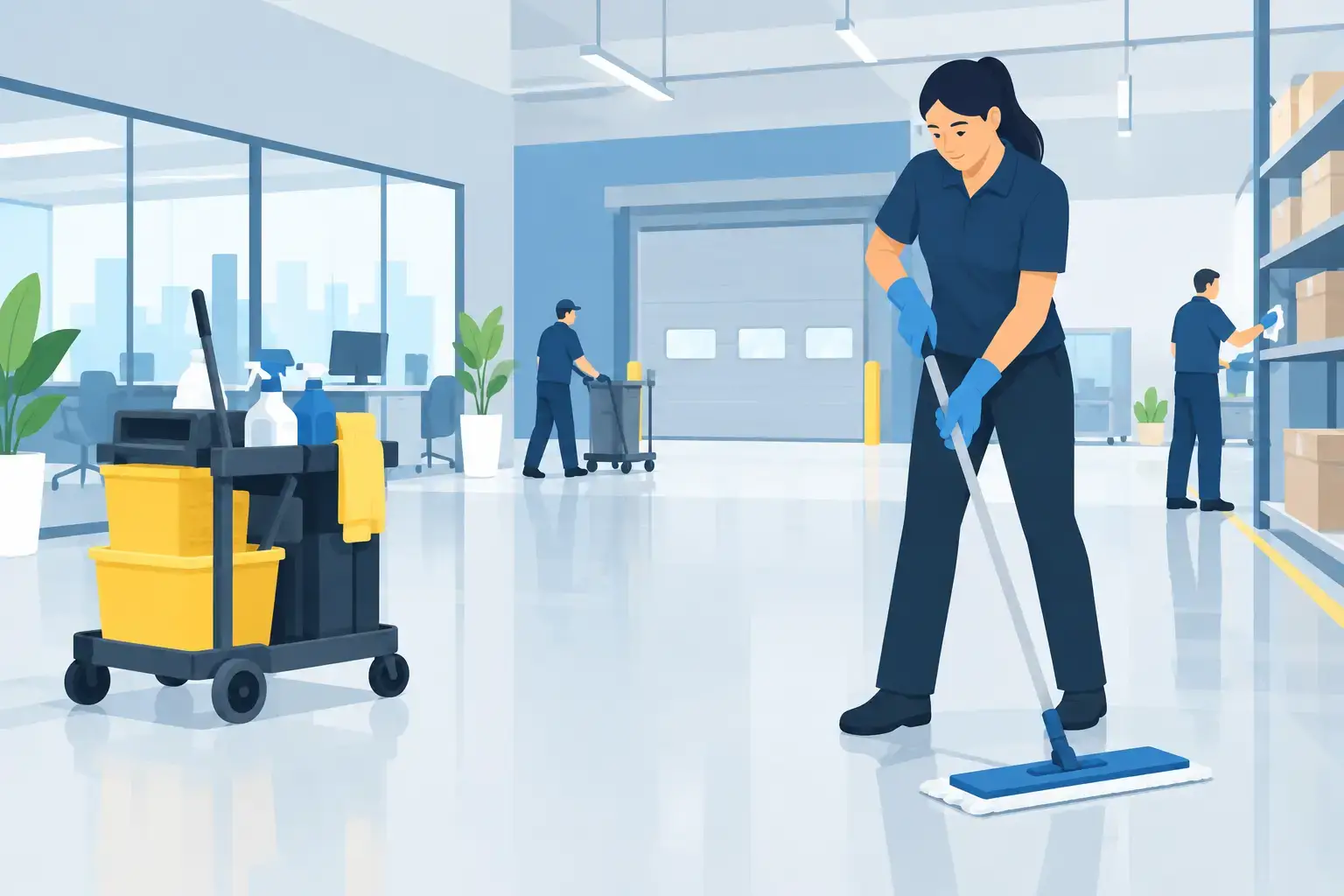
A dirty dumpster enclosure, sticky break room floor, or neglected drain can become much more than a housekeeping issue. It can affect employee confidence, customer impressions, food safety, pest activity, and the ability to keep a business operating without disruption. This commercial sanitation program guide helps property managers and business owners put a practical system in place before small hygiene problems become expensive ones.
A sanitation program is not simply a cleaning checklist. It is a scheduled, documented approach to controlling dirt, waste, moisture, odors, and the conditions that attract pests. The right program reflects the type of facility, the number of people using it, the materials handled on-site, and the risks that matter most to the operation.
Start With a Site-Specific Sanitation Assessment
Every commercial property has different pressure points. A café may struggle with grease, food debris, and high-touch service areas. An office may need consistent restroom care, carpet cleaning, and waste management. A warehouse or industrial facility may face dust buildup, loading-bay debris, standing water, and rodent entry risks.
Walk the property with a critical eye, beginning outside. Look at garbage storage, dumpster condition, exterior doors, loading areas, landscaping near the building, and drainage. Then inspect kitchens, break rooms, restrooms, storage rooms, utility areas, floors, drains, and spaces behind equipment. The goal is to identify not only what looks unclean, but what creates ongoing sanitation risk.
Document findings with clear notes, photos where appropriate, and a priority level. A leaking garbage bin, for example, needs faster attention than a scuffed wall. This assessment creates a baseline, making it easier to measure improvement and explain service needs to staff, owners, or tenants.
Define What “Clean” Means for Your Facility
A workable program sets standards people can recognize. “Keep the kitchen clean” is too vague. “Remove food debris after every shift, sanitize prep surfaces, empty waste before closing, and inspect floor drains weekly” gives staff a clear expectation.
Your standards should cover visible cleanliness, odor control, waste handling, high-touch surfaces, floors, restrooms, and pest-prevention conditions. For businesses serving food or the public, appearance matters immediately. For industrial sites, safety, dust control, and access around equipment may be the greater concern. Both need consistency.
It also helps to separate cleaning from sanitizing. Cleaning removes dirt and residue. Sanitizing reduces germs on an already cleaned surface. A surface sprayed with sanitizer but covered in grease or food residue may still be a problem. Staff need the right products, contact times, and instructions to complete both steps correctly.
Focus on the Areas That Drive Risk
Not every area needs the same schedule. High-traffic restrooms, kitchen floors, shared workstations, and entrance areas may need service daily or multiple times a day. Carpets, tile grout, ceiling vents, and dumpster pads often need less frequent but deeper cleaning.
Pay close attention to these recurring trouble spots:
- Restrooms, including dispensers, fixtures, floors, and door handles
- Break rooms, kitchens, food storage areas, and floor drains
- Garbage rooms, bins, compactors, dumpster pads, and recycling areas
- Entryways, loading docks, storage rooms, and areas behind equipment
- High-touch surfaces such as railings, switches, shared tools, and counters
The schedule should be realistic. An ambitious checklist that nobody can complete during a normal shift will fail quickly. It is better to assign a manageable routine and add professional deep-cleaning service where staff time or equipment is limited.
Build a Schedule That Matches the Workday
A good sanitation schedule identifies what must be done, who is responsible, how often it happens, and how completion is recorded. Daily tasks are usually handled by staff or janitorial teams. Weekly and monthly work may include deeper floor care, drain service, carpet extraction, tile cleaning, bin sanitation, and detailed inspection.
Timing matters as much as frequency. Restaurants and cafés may need cleaning between rushes and after closing. Offices benefit from work completed after business hours so employees are not interrupted. Industrial sites may need sanitation coordinated around shift changes, equipment shutdowns, or safety procedures.
Assign a single person to review the schedule, even if several teams carry out the work. Without ownership, small missed tasks can become normal. A manager should verify that supplies are stocked, logs are completed, and repeat problems are reported instead of quietly worked around.
Treat Waste and Moisture as Pest-Prevention Priorities
Pests need food, water, shelter, and access. Sanitation cannot replace professional pest management when there is an active infestation, but it is one of the strongest forms of prevention. A clean property gives pests fewer reasons to stay and makes early signs easier to spot.
Waste should be contained in lined, covered containers and removed on a dependable schedule. Outdoor bins and dumpsters need attention too. Spills, residue, and strong odors around waste areas can draw flies, rodents, and other unwanted activity toward the building. Regular bin and dumpster sanitation removes the buildup that routine trash pickup does not address.
Moisture is equally important. Repair leaking faucets, pipes, ice machines, and roof penetrations promptly. Keep drains clear, address standing water, and avoid storing cardboard or supplies directly on damp floors. In northern communities, snow and mud tracked indoors can create wet entryways and slip hazards, so mat service and floor care deserve a place in the plan.
Use the Right Supplies and Train for Consistency
The best products cannot help if employees do not know where to use them or how long they need to remain on a surface. Keep supplies organized, labeled, and accessible. Safety data, dilution instructions, gloves, mops, disposable towels, waste liners, and appropriate tools should be available where tasks are performed.
Training does not need to be complicated. Show employees the expected result, explain the reason behind the task, and give them a simple way to report issues. A staff member who notices droppings near a storage rack, a sour odor from a drain, or recurring flies near a garbage room should know who to tell immediately.
Avoid one-size-fits-all product choices. A disinfectant suitable for a restroom may not be appropriate for a food-contact surface without a proper rinse step. Likewise, harsh products can damage flooring, grout, upholstery, or equipment when used incorrectly. When in doubt, use trained sanitation professionals for specialized surfaces and deep cleaning.
Measure Results Instead of Assuming the Program Works
A sanitation program should improve conditions you can see and track. Use inspection logs, customer comments, odor reports, supply usage, pest sightings, and repeat cleaning requests as practical indicators. If the same issue returns every week, the schedule or method needs adjustment.
For example, if a garbage area smells unpleasant shortly after service, waste volume may exceed pickup frequency, containers may be damaged, or the pad may need deeper washing. If restroom complaints persist despite daily cleaning, look at staffing coverage, traffic patterns, dispenser maintenance, and whether fixtures or floors require restorative work.
Periodic professional inspections provide an outside perspective. Trained technicians can identify overlooked pest-conducive conditions, deep-cleaning needs, and maintenance concerns before they affect customers or operations. North Peace Pest Control and Maintenance can coordinate cleaning, garbage bin sanitation, and pest-prevention service so facility managers have one accountable partner for property hygiene.
Keep Records That Support Accountability
Records are useful even for businesses without formal compliance requirements. A simple log shows that tasks were completed, identifies recurring concerns, and helps managers plan labor and service budgets. It can also be valuable when a tenant, customer, inspector, or staff member raises a sanitation concern.
Keep records clear and short. Note the date, area serviced, task completed, person responsible, issues found, and follow-up needed. Do not create paperwork for its own sake. The purpose is to make sure problems move from observation to correction.
The strongest sanitation programs are visible in the daily experience of the property: restrooms stay presentable, waste areas stay controlled, floors are safer, odors are addressed early, and pest pressure has fewer opportunities to develop. Begin with the areas causing the most risk, set a schedule your team can actually maintain, and ask for professional help when deep cleaning or recurring hygiene issues demand more than a quick fix.