
10 Best Ways to Prevent Pantry Pests at Home
Learn the best ways to prevent pantry pests with smart storage, regular cleaning, and inspections that protect food, homes, and busy kitchens year-round.
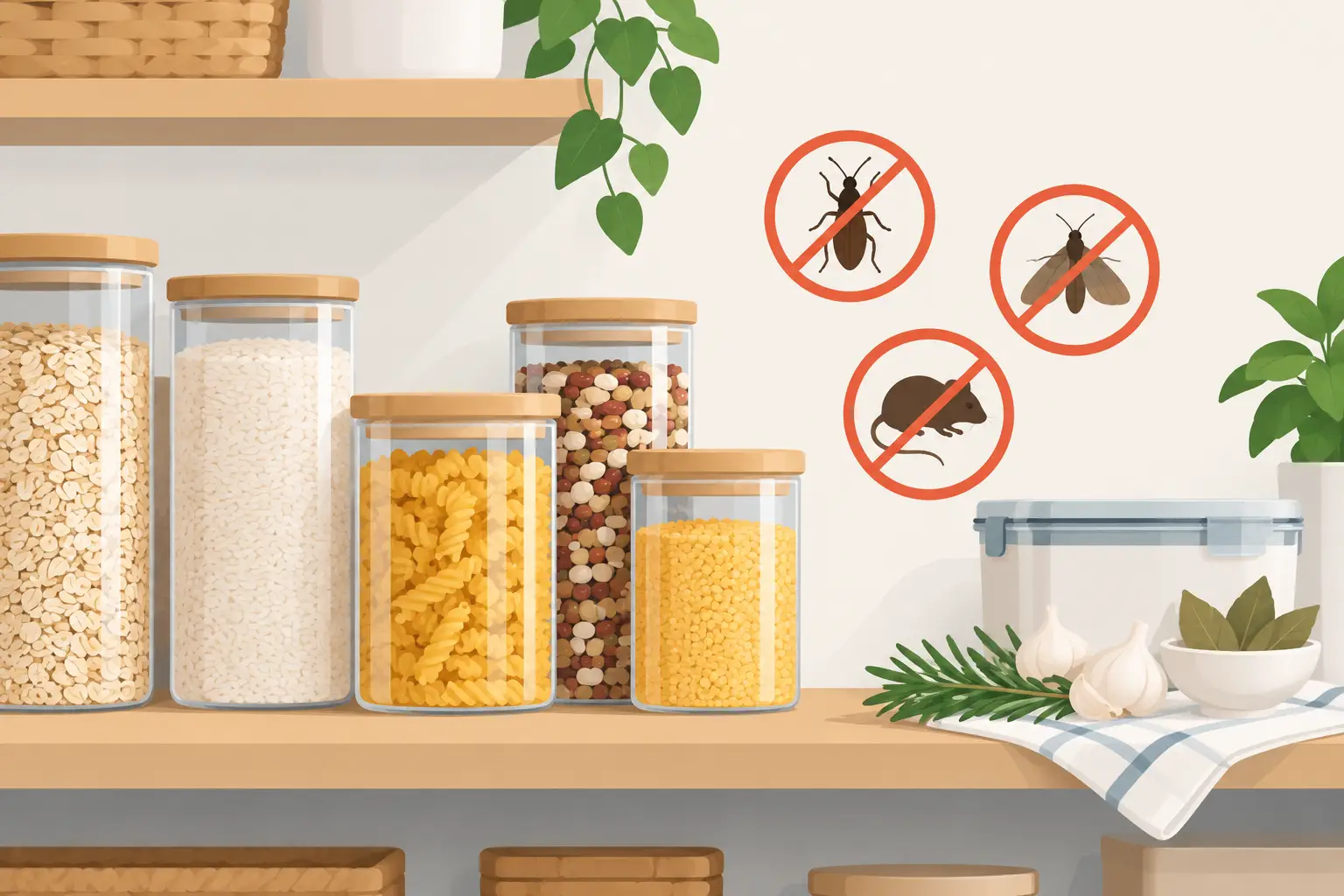
A tiny moth fluttering out of a cereal box or small beetles near the flour shelf can turn a normal grocery run into a frustrating cleanup. The best ways to prevent pantry pests are not complicated, but they do require consistent food storage, shelf cleaning, and early inspections. These habits protect more than groceries - they help keep homes, rental units, break rooms, cafés, and commercial kitchens clean and ready for use.
Pantry pests are usually brought in with dry food products. Flour, rice, pasta, cereal, pet food, spices, baking mixes, nuts, and birdseed can all carry eggs or larvae before they reach your property. An infestation is not a sign that a kitchen is dirty. It is a sign that insects found a food source and a quiet place to reproduce.
Best Ways to Prevent Pantry Pests Before They Spread
The goal is to interrupt the pest’s food supply and remove places where it can hide. A few small changes make a major difference, especially in warm storage rooms, busy family kitchens, and food-service areas where products move quickly.
1. Inspect dry goods before putting them away
Make a quick inspection part of unpacking groceries and deliveries. Check paper bags, cardboard boxes, seams, and corners for holes, webbing, clumped food, larvae, or small insects. Pay close attention to products that have been sitting in storage for a while, including discounted items and bulk purchases.
If a package looks damaged or shows any signs of activity, do not place it beside other food. Seal it in a bag and remove it from the property. In a restaurant, office kitchen, or warehouse, isolate the affected case or shipment and inspect nearby stock before restocking the shelves.
2. Move vulnerable foods into airtight containers
Original cardboard and thin plastic packaging are easy for many pantry pests to enter. Transfer dry goods into clean, airtight containers made of glass, metal, or sturdy food-safe plastic. Clear containers are useful because they allow you to spot changes in the product without opening every lid.
This step matters most for flour, grains, cereal, pasta, dried fruit, baking ingredients, and pet food. It also keeps one contaminated item from becoming a larger shelf-wide problem. Airtight storage will not repair food that is already infested, but it can contain the issue and protect unopened supplies nearby.
3. Clean shelves all the way to the corners
A quick wipe across the front of a shelf is not enough. Crumbs, spilled flour, and food dust collect in shelf corners, adjustable-shelf holes, drawer tracks, and the narrow space where the shelf meets the wall. Those small deposits are enough to support pests.
Empty one section at a time, vacuum loose debris, then wash the surface with warm soapy water and dry it thoroughly before replacing food. Do not forget the underside of shelves and the floor beneath freestanding pantry racks. In commercial kitchens and staff break rooms, assign this task on a regular sanitation schedule rather than waiting until someone sees insects.
4. Use older food first and avoid overbuying
Food that sits untouched for months gives pantry pests time to develop unnoticed. Rotate supplies by placing newer products behind older ones, and label containers with the purchase or opening date. This simple first-in, first-out system reduces waste as well as pest risk.
Buying in bulk can save money, but only if you have secure containers and use the product before it gets old. For households, it may be better to buy smaller quantities of rarely used flour, specialty grains, or pet treats. For businesses, inventory control is especially valuable because forgotten cases in storage rooms can become the source of repeated problems.
5. Keep pet food, birdseed, and treats sealed
Pet food is one of the most commonly overlooked pantry pest food sources. Large bags are often stored in garages, laundry rooms, utility closets, or on the floor of a pantry, where they can be exposed to moisture and insects. Keep food and treats in airtight bins with tight-fitting lids, and clean up spilled kibble promptly.
Birdseed and animal feed should receive the same attention. If these products are stored outside the main kitchen, inspect them regularly. A pest issue in a garage or storage room can still spread indoors through open doors, shared walls, or transferred containers.
6. Do not let spills wait
A small spill of rice or flour may seem harmless, but it is an easy food source. Sweep or vacuum dry spills right away, especially under appliances and shelving. Sticky spills deserve attention too, since residue can attract a range of unwanted pests.
In food businesses, cleaning should include the areas customers do not see: dry-storage floors, stockroom shelving, mop closets, vending areas, and behind equipment. Good sanitation is not only about appearance. It reduces the conditions that let pests establish themselves.
7. Check hidden and low-traffic storage areas
Pantry pests favor quiet areas where packages are rarely moved. Inspect the back of deep cabinets, high shelves, garage storage, basement cupboards, utility rooms, and emergency food supplies. Look for fine webbing in food packages, larvae in seams, shed skins, or insects around stored grains.
This is also a good reason to avoid storing food directly on the floor. Raised shelving makes cleaning easier, reduces moisture exposure, and gives you a clearer view of what is happening around stored products. In commercial settings, keeping stock organized and accessible makes inspections faster and more reliable.
8. Manage moisture and damaged storage areas
Pantry pests are primarily looking for food, but damp, neglected spaces make storage problems worse. Repair leaks near kitchen cabinets, keep dry goods away from wet cleaning supplies, and make sure storage rooms have reasonable airflow. Replace swollen, water-damaged shelving where food particles and pests can collect in cracks.
Seal gaps around pipes, wall penetrations, and cabinet edges when practical. These steps will not replace proper food storage, but they help limit travel routes and make sanitation easier. In multi-unit properties, shared walls and utility openings deserve special attention because activity can move between units.
9. Treat opened packages differently from sealed stock
Once a package is opened, it should not go back into a cabinet loosely folded or held shut with a clip for months. Put the remaining food into an airtight container or use it promptly. This is particularly helpful with baking supplies, cereal, snack foods, and dry pet products.
For items you use only occasionally, such as specialty flour or grains, cold storage can be a practical option if space allows. Refrigeration or freezing can help protect products, but containers still need to be sealed tightly to prevent moisture and odor transfer.
10. Act quickly when you find signs of activity
If you see pantry moths, beetles, larvae, or webbing, inspect every nearby dry-food item. Dispose of affected products in a sealed bag outside the property. Then empty the cabinet, vacuum cracks and corners, clean the area, and inspect containers before returning them.
Avoid relying on surface sprays near food storage. They may not reach the source of the infestation and can create unnecessary concerns around food-contact areas. The most effective response is removal of infested products, detailed cleaning, and careful monitoring over the following weeks.
When a Pantry Pest Problem Needs Professional Help
A single contaminated package can often be handled with a careful cleanup. It is time to call for help when pests keep returning after food has been removed, when activity appears in multiple rooms, or when a rental property, restaurant, café, office, or storage facility needs a coordinated response.
A trained pest professional can identify the likely pest, inspect less obvious sources, and recommend practical corrections for storage, sanitation, and exclusion. For businesses, professional service can also support a consistent hygiene plan that protects food areas, customer confidence, and daily operations. North Peace Pest Control and Maintenance Corporation provides clear inspections and targeted pest-management support for properties that need a dependable path back to clean, controlled storage areas.
A five-minute check when groceries come through the door can prevent hours of cleanup later. Keep food sealed, keep shelves free of debris, and treat the first sign of activity as a reason to inspect closely - not a problem to put off until the next shopping trip.