
Apartment Pest Recovery: What Happens After Treatment
Apartment pest recovery takes more than one treatment. Learn how tenants and property managers restore safe, clean, pest-free homes after an outbreak.
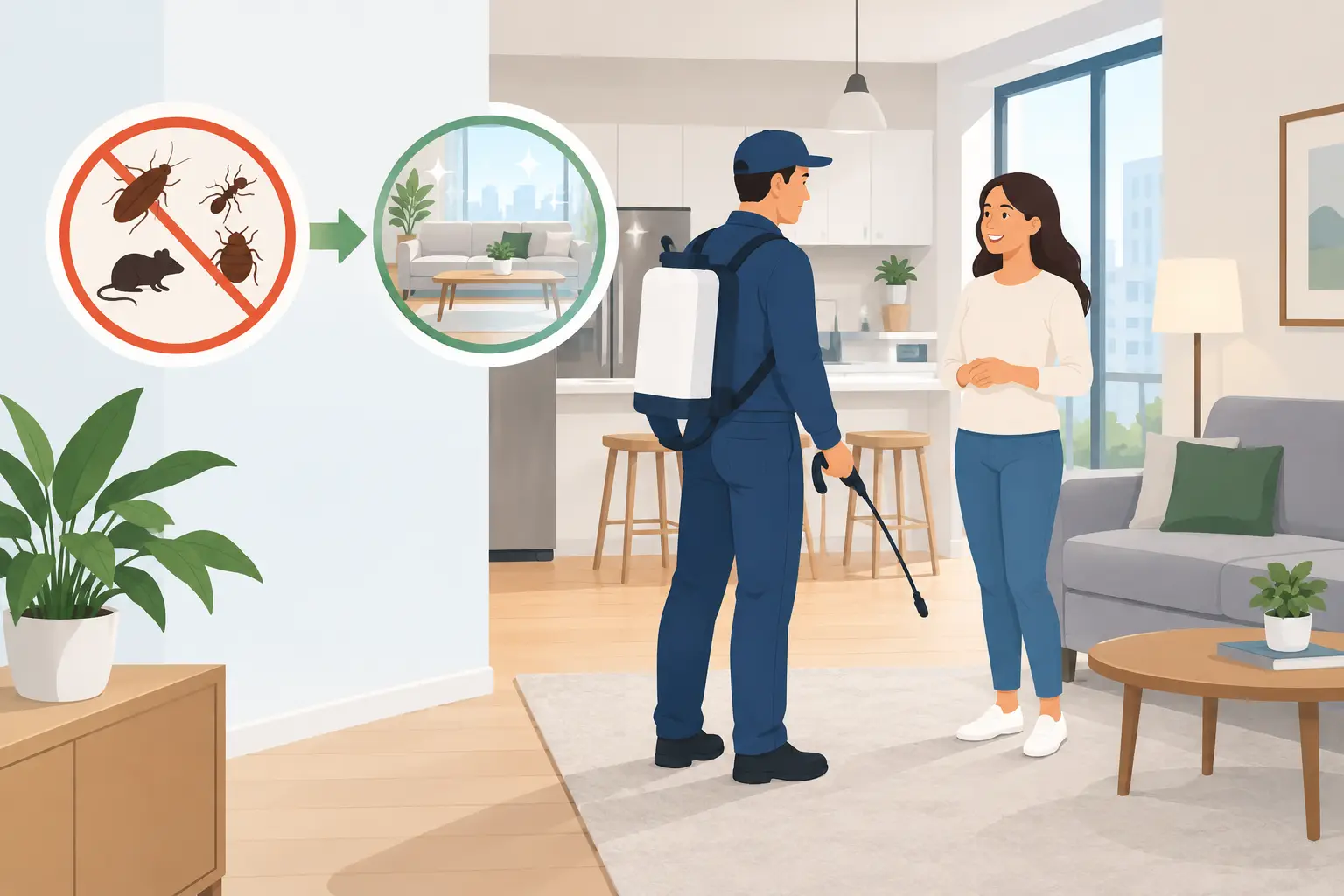
The pests may no longer be visible, but that does not always mean an apartment is fully back to normal. Apartment pest recovery is the work that happens after the initial treatment: cleaning correctly, monitoring for activity, closing entry points, and helping residents feel comfortable in their homes again. For tenants and property managers, this stage is where a short-term pest problem becomes a lasting solution.
A successful recovery plan is not the same for every infestation. Bed bugs, cockroaches, ants, and rodents leave behind different risks and require different follow-up steps. What they have in common is the need for clear communication, good sanitation, and timely action if activity returns.
Why Apartment Pest Recovery Matters
An infestation can affect more than the unit where pests were first found. In multi-family housing, pests can travel through wall openings, utility lines, hallways, shared laundry areas, garbage rooms, and neighboring units. Treating only the visible problem without addressing the conditions around it can lead to repeat calls, frustrated residents, and avoidable costs.
Recovery protects the property as well as the people living in it. A clean, well-managed response reduces odors, contamination concerns, property damage, and the chance of pests relocating to another part of the building. It also helps tenants understand what they can safely do after treatment and when they should report a concern.
For property managers, the goal is simple: restore a clean, safe, livable unit while preventing the next infestation from gaining a foothold.
The First 48 Hours After Pest Treatment
The instructions provided after treatment should always come first. Depending on the pest, the treatment method, and the condition of the unit, residents may need to stay out of the apartment for a specified period, avoid cleaning treated areas immediately, or keep pets away from certain spaces until it is safe to return.
This can feel inconvenient, especially when a family is eager to put the situation behind them. However, cleaning too soon can remove products before they have had time to work. On the other hand, leaving food spills, overflowing trash, or clutter in place can create conditions that help surviving pests persist. A trained technician should explain the right balance for the specific service performed.
Once re-entry is approved, residents should ventilate the apartment if instructed, wash food-contact surfaces such as counters and dining tables, and check that food is stored in sealed containers. Property staff should also confirm that any maintenance concerns noted during inspection, such as leaking pipes or damaged door sweeps, are scheduled for repair.
Clean With Purpose, Not Panic
Deep cleaning has a place in recovery, but it should be targeted. Vacuuming carpets, baseboards, furniture edges, and hard-to-reach areas can remove crumbs, insect debris, and potential hiding material. Empty the vacuum outside the building or seal and dispose of its contents promptly.
Avoid moving belongings from an affected unit into common areas, storage rooms, or another apartment before they have been inspected or cleaned. This is especially important when bed bugs or cockroaches are involved. A rushed move can turn one unit's issue into a wider building problem.
Launder linens, clothing, and washable fabrics according to the instructions given for the infestation. For bed bug recovery, heat is often a key part of handling fabric items, but residents should follow professional direction before bagging, washing, or relocating belongings. The details matter.
Recovery Looks Different for Different Pests
Not every pest leaves the same evidence or responds on the same timeline. Setting realistic expectations helps prevent unnecessary worry while ensuring that genuine follow-up needs are reported quickly.
Bed Bugs
Bed bug recovery requires patience and careful preparation. Residents may see activity after an initial service because eggs can hatch later or because treatment is designed to affect pests as they emerge from hiding. Follow-up inspections and treatments are often part of the process.
Residents should avoid bringing in used furniture, moving untreated belongings between rooms, or sleeping somewhere else in the building without guidance. Those actions can spread the problem. Reporting bites, live insects, shed skins, or dark spotting helps the service provider assess whether additional action is needed.
Cockroaches and Ants
After treatment for cockroaches or ants, some increased activity may be noticeable at first. Pests may be moving out of nesting areas or toward bait placements. This does not automatically mean treatment failed.
The most useful recovery steps are eliminating food and water sources. Wipe counters nightly, store food in sealed containers, empty garbage regularly, clean under small appliances, and report plumbing leaks. In apartments, cockroach control is often most effective when nearby units and shared garbage areas are also assessed.
Rodents
Rodent recovery involves sanitation and exclusion. Droppings, nesting material, and contaminated surfaces should be cleaned carefully using appropriate protective measures rather than swept or vacuumed dry. Dry cleanup can send contaminated particles into the air.
A technician or maintenance team should identify how rodents entered the building. Gaps around pipes, damaged weather stripping, poorly fitting doors, and openings near utility connections all deserve attention. Removing a rodent without sealing access points leaves the door open for the next one.
The Property Manager's Role in Preventing a Repeat Problem
A tenant can keep a unit clean and still experience pests when building conditions support them. Property managers have an essential role in apartment pest recovery because many contributing factors are outside an individual resident's control.
Regular inspections of garbage rooms, laundry areas, mechanical spaces, storage areas, and exterior entry points can reveal problems before tenants begin seeing pests indoors. Overflowing dumpsters, poorly sealed garbage bins, standing water, and cluttered utility spaces can attract or shelter pests close to the building.
Maintenance coordination matters just as much. Repairing leaks, sealing utility penetrations, replacing worn door sweeps, and correcting damaged screens reduce the conditions pests use to enter and survive. In a multi-unit property, a strong recovery plan combines pest treatment with sanitation and maintenance instead of treating them as separate issues.
Clear resident communication also prevents delays. Let tenants know what preparation is required, what they may see after service, how to report ongoing activity, and why cooperation matters. People are more likely to follow instructions when they understand the reason behind them.
A Practical Apartment Pest Recovery Checklist
The right steps will vary by pest and treatment, but most apartment recovery plans include these four priorities:
- Follow all re-entry, cleaning, and preparation instructions from the pest professional.
- Remove food debris, manage trash promptly, and reduce clutter where pests can hide.
- Report fresh pest activity with details about where and when it was seen.
- Address building conditions such as leaks, cracks, damaged seals, and unsanitary waste areas.
This is not about placing blame on tenants or maintenance staff. Pest issues often develop through a combination of access points, food or moisture sources, building layout, and pest pressure from nearby areas. The practical focus should be on identifying what is feeding the problem and correcting it.
When to Request Follow-Up Service
A single sighting right after treatment may not require an emergency response, particularly when the technician has explained that activity can occur during the treatment cycle. However, repeated sightings, new droppings, fresh bite concerns, live insects in multiple rooms, or activity spreading to adjacent units should be reported promptly.
Documentation helps. Tenants and managers can note the date, location, type of activity, and any conditions nearby, such as a leak beneath a sink or garbage left in a hallway. Photos can be useful when safe to take, but residents should not handle pests or disturb suspected nesting areas just to collect evidence.
Fast follow-up protects the whole property. North Peace Pest Control and Maintenance Corporation can coordinate treatment, sanitation, and maintenance-minded prevention so the response addresses more than the immediate sighting.
A recovered apartment should feel ordinary again: clean floors, secure food storage, no unexplained odors, and residents who know exactly what to do if they see a concern. That confidence is built one practical step at a time.