
How to Identify Bed Bug Signs Before They Spread
Learn how to identify bed bug signs in bedding, furniture, and shared spaces, and know when a professional inspection can protect your property from spread
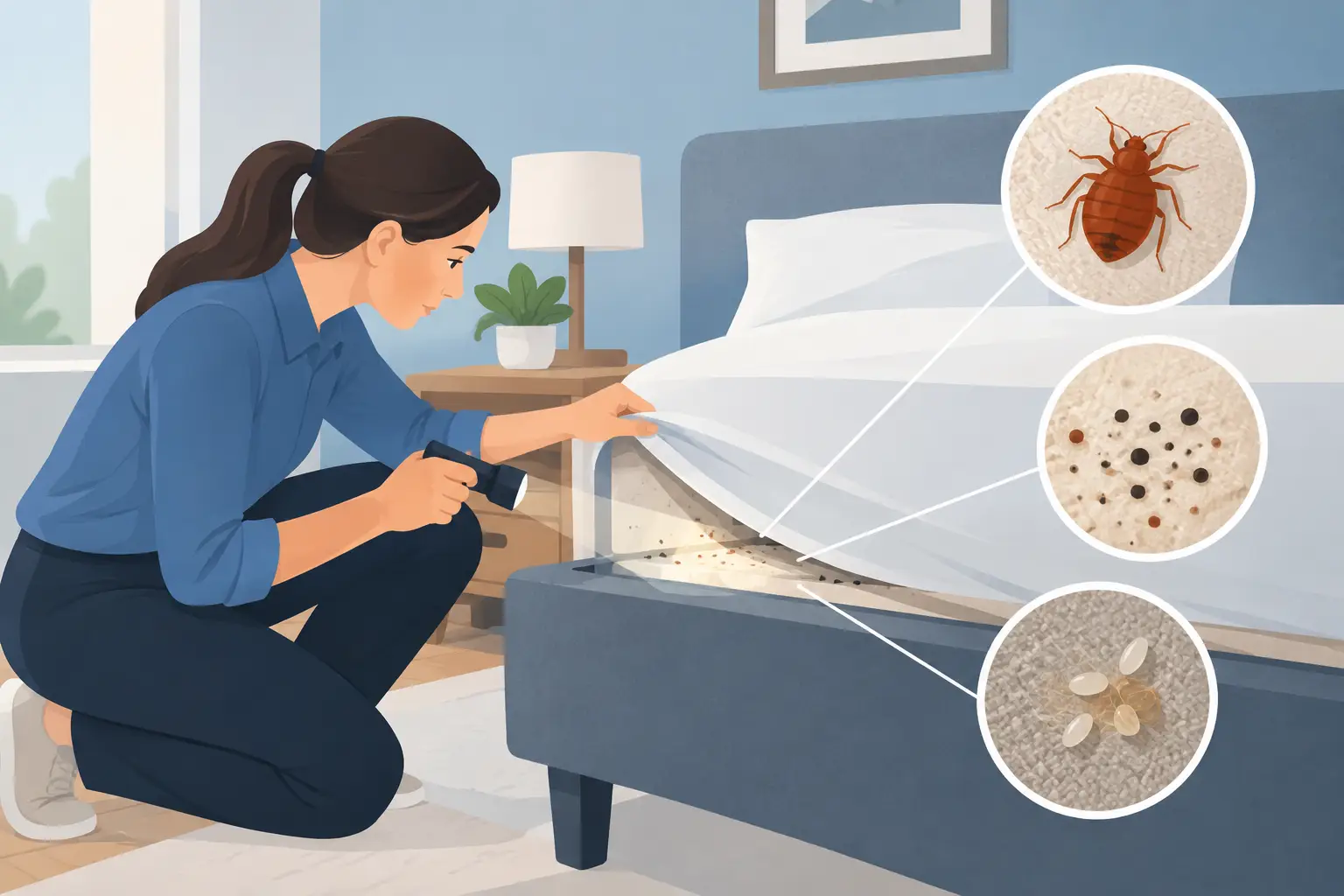
A few itchy bites after sleeping can be unsettling, but bites alone do not confirm bed bugs. Mosquitoes, fleas, skin irritation, and allergies can look similar. Knowing how to identify bed bug signs means looking for physical evidence around sleeping and resting areas before a small problem becomes harder to contain.
Bed bugs are small, skilled at hiding, and often carried into a property in luggage, used furniture, clothing, or personal belongings. They are not a sign that a home, apartment, hotel room, office, or staff accommodation is unclean. However, clutter and delayed action can give them more places to hide and more time to spread.
Start With the Places People Rest
Bed bugs feed when people are still, usually at night, so the first inspection area is the bed. Remove bedding carefully and check mattress seams, piping, tags, and the area where the mattress meets the bed frame. Use a flashlight and take your time. A quick glance at the top of a mattress rarely tells the full story.
Then inspect the headboard, joints in the frame, screw holes, slats, nightstands, and the wall or baseboard closest to the bed. In heavier infestations, bed bugs may also move into upholstered chairs, sofas, recliners, luggage racks, curtains, electrical outlets, and cracks around trim.
For apartments, staff housing, hotels, and other multi-unit properties, nearby rooms may need attention as well. Bed bugs can travel through wall voids, along utility lines, and between adjoining rooms. Finding signs early helps property managers protect occupants and avoid a larger operational disruption.
How to Identify Bed Bug Signs on Bedding and Furniture
Bed bugs are easier to confirm through what they leave behind than by the bites they may cause. Look for several types of evidence together rather than relying on one clue.
Dark spots and stains
Small black or dark brown dots on mattress seams, sheets, bed frames, upholstered furniture, or nearby walls can be bed bug fecal spots. They may look like ink marks and can smear slightly when touched with a damp cloth. These marks are often concentrated around hiding places rather than spread evenly across a surface.
Do not confuse them with dirt, paint flecks, or ordinary fabric wear. Their location matters. Repeated dark spotting along a mattress seam, behind a headboard, or inside furniture joints deserves a closer inspection.
Shed skins and eggs
As bed bugs grow, they shed pale yellowish skins. These empty skins are small, dry, and often found in protected creases or cracks. You may also see tiny pearly white eggs, usually tucked into seams, joints, or rough surfaces where they are difficult to spot.
Eggs are about the size of a pinhead and can be mistaken for lint or debris. A flashlight and a magnifying glass can help, but a professional inspection is the better choice when evidence is uncertain.
Live bed bugs
Adult bed bugs are reddish brown, flat, oval, and roughly the size of an apple seed. After feeding, they appear darker and more swollen. Younger bed bugs, called nymphs, are smaller and lighter in color, which makes them difficult to see against fabric or wood.
Seeing one bug does not always reveal how established the issue is. Bed bugs hide during the day and can remain concealed in narrow gaps. A single live insect should be saved in a sealed container or photographed clearly if possible, then shown to a trained technician for identification.
Small blood marks on sheets
Tiny rust-colored or red marks on pillowcases and sheets can happen when a recently fed bed bug is accidentally crushed. This is a useful clue, especially when it appears alongside dark spotting, shed skins, or a pattern of unexplained bites. On its own, though, a blood mark can have many causes.
Watch for Bite Patterns, But Do Not Diagnose by Bites Alone
Bed bug bites often appear on exposed skin, including the arms, shoulders, neck, hands, and face. Some people develop small, itchy red welts. Others have little or no skin reaction at all. Bites may appear in a line, a cluster, or scattered across the skin, but there is no single bite pattern that proves bed bugs are present.
The timing can also be misleading. A person may react hours or days after being bitten, which makes it difficult to know where the exposure occurred. If bites are severe, show signs of infection, or cause an allergic reaction, seek medical advice. For the pest concern itself, focus on inspecting the room for physical evidence.
Check Belongings That Move Between Properties
Bed bugs frequently enter homes and workplaces by hitchhiking. After travel, overnight guests, moving, or bringing in secondhand furniture, inspect bags and items before placing them in bedrooms or living areas. Pay close attention to luggage seams, folded clothing, furniture upholstery, drawer joints, and the underside of items.
In commercial settings, a report from an employee, tenant, or guest should be handled calmly and promptly. Do not assume the concern is isolated or blame the person reporting it. A discreet inspection and clear communication protect people, reputations, and day-to-day operations.
For offices, waiting rooms, hotels, rental units, and staff accommodations, upholstered seating deserves special attention. Bed bugs do not only live in beds. Any place where people sit or rest for extended periods can become a hiding area.
What to Do If You Find Possible Evidence
Avoid moving furniture, mattresses, or bags to another room. That can spread bed bugs into new areas. Do not place infested items in hallways, common areas, dumpsters, or shared storage spaces without guidance. These actions can affect neighboring units or create a wider problem.
Instead, reduce the chance of spread by keeping suspected items in place, limiting use of the affected room when practical, and placing washable bedding or clothing in sealed bags before laundering. Wash and dry items on the hottest settings the fabric can safely tolerate. The dryer is especially valuable because sustained heat helps kill bed bugs at different life stages.
Vacuuming visible insects and debris from seams and crevices can support cleanup, but it is not a complete treatment. Empty the vacuum contents into a sealed bag, place it in an outdoor trash container, and clean the vacuum afterward. Avoid relying on store-bought sprays, foggers, or home remedies. Improper use can drive bed bugs deeper into walls and furniture, expose occupants to unnecessary products, and delay effective treatment.
When a Professional Inspection Makes Sense
A professional inspection is the right next step when you find live bugs, repeated spotting, shed skins, or several unexplained bites paired with suspicious evidence. It is also wise after a tenant turnover, a guest complaint, a reported exposure during travel, or the discovery of bed bugs in an adjoining unit.
A trained technician can confirm whether the pest is truly a bed bug, inspect likely hiding places, explain the level of concern, and recommend a treatment plan suited to the property. Preparation matters. Residents or facility teams may need to bag fabrics, clear access to furniture, reduce clutter, and follow post-treatment instructions so the service can reach the areas that matter.
North Peace Pest Control and Maintenance Corporation helps homeowners and property teams take a clear, practical approach to bed bug concerns. The goal is not simply to treat what is visible, but to identify hiding areas, reduce spread, and help restore a safe, comfortable space.
A bed bug concern can feel personal and urgent, especially when sleep, tenants, guests, or staff are involved. Prompt inspection, careful handling of belongings, and professional guidance give you the best chance of stopping the issue before it takes over the property.