
Janitorial Cleaning Services That Keep Work Ready
Reliable janitorial cleaning services protect health, improve operations, and keep offices, restaurants, and facilities ready for every guest, every day.
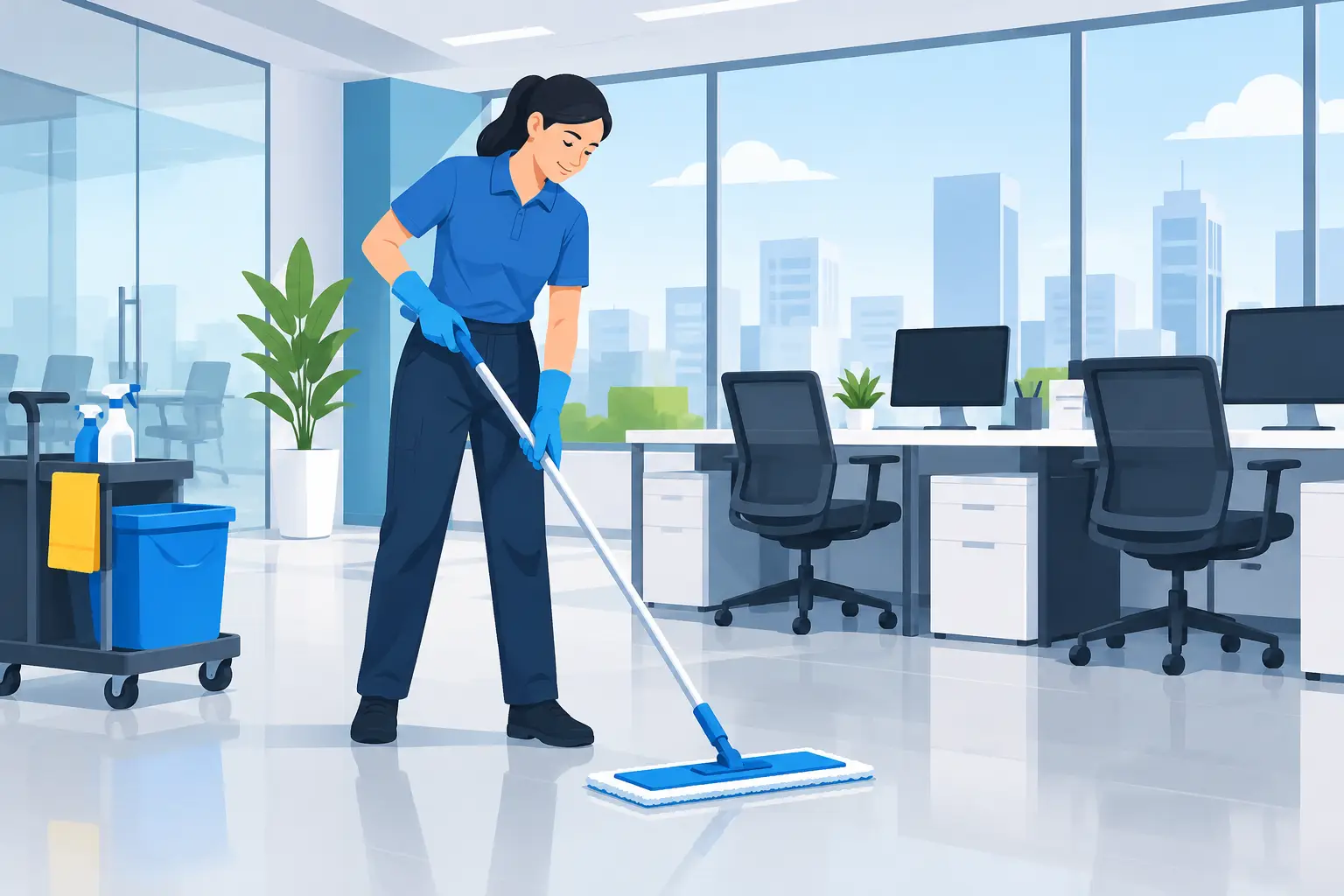
A missed trash pickup, sticky entry floor, or neglected restroom can change how people feel about a property in seconds. It can also create conditions that attract pests, spread odors, and disrupt normal work. Professional janitorial cleaning services give property owners and managers a dependable way to keep daily hygiene under control before small issues become bigger ones.
For offices, restaurants, rental properties, shops, warehouses, and industrial spaces, cleaning is not simply about appearance. It supports employee comfort, customer confidence, safety, and readiness for the next business day. The right service plan is built around how your property is actually used, not a one-size-fits-all checklist.
What Janitorial Cleaning Services Should Cover
Janitorial work is the regular care that keeps a facility clean, orderly, and usable between deeper cleaning appointments. The exact scope depends on the building, its traffic, operating hours, and industry requirements. A small office may need scheduled restroom cleaning, vacuuming, garbage removal, and surface disinfection. A restaurant or busy commercial location may require more frequent attention to floors, waste areas, touchpoints, and customer-facing spaces.
A well-managed program commonly includes routine floor care, dusting, restroom sanitation, trash removal, wiping high-touch surfaces, breakroom cleaning, and cleaning of entrances or common areas. These tasks may sound basic, but consistency is where the value lies. When they are completed on schedule and checked for quality, staff and visitors are less likely to encounter the problems that make a building feel neglected.
Some properties also need periodic services beyond daily or weekly janitorial care. Carpet extraction, tile and grout cleaning, dumpster sanitation, and targeted odor control can restore areas that routine cleaning alone cannot fully address. Combining regular service with planned deep cleaning helps protect flooring, improves indoor conditions, and keeps maintenance costs more predictable.
Why Consistent Cleaning Protects Your Property
Clean facilities make a visible impression, but the practical benefits go further. Dirt, food debris, standing moisture, overflowing waste, and uncleaned drains can encourage insects and rodents to investigate a property. In a restaurant, café, apartment building, or warehouse, a sanitation gap can quickly become a pest-management concern.
Regular cleaning removes the conditions pests look for: accessible food, water, hiding places, and neglected garbage. It also makes early warning signs easier to spot. A clean storage room is more likely to reveal droppings, damaged packaging, or pest activity than a cluttered one. That visibility gives managers a chance to respond quickly instead of discovering an issue after it has spread.
There is a safety component as well. Wet floors, cluttered walkways, overflowing bins, and poorly maintained restrooms can create avoidable hazards. Trained cleaning professionals follow a clear process, use appropriate equipment, and focus on the areas that affect daily operations. The goal is not to interrupt your business. It is to help keep it ready to operate.
Choosing the Right Cleaning Frequency
The best schedule depends on traffic and risk, not just square footage. A lightly used professional office may operate well with service a few times a week. A medical-adjacent waiting area, restaurant restroom, multi-tenant building, or busy retail space may need daily attention. Industrial facilities often require a plan that accounts for dust, shop debris, shift schedules, and restricted work areas.
Start by considering what happens in the building on its busiest day. How many people use the restrooms? Is food prepared, served, or eaten on site? Are customers entering throughout the day? Do employees work evenings or overnight? Is garbage stored until a scheduled collection day? The answers reveal where cleaning needs to be more frequent.
More frequent service is not always necessary everywhere. A practical plan may prioritize entrances, restrooms, lunchrooms, waste areas, and customer-facing rooms while scheduling lower-traffic areas less often. This approach controls costs without leaving important hygiene gaps.
Daily attention for high-use areas
Restrooms, entryways, kitchens, breakrooms, reception areas, and garbage stations usually need the closest attention. These areas collect moisture, fingerprints, food residue, and odors quickly. They also shape the experience of visitors and employees more than a back storage room ever will.
Daily tasks should be simple, visible, and reliable: empty waste, clean and replenish restrooms, remove spills, wipe commonly touched surfaces, and maintain floors. If a location serves food or receives a steady flow of customers, managers should expect these spaces to be checked throughout the day, not only after closing.
Scheduled deep cleaning for long-term results
Routine janitorial work maintains a space. Deep cleaning restores it. Carpets hold soil that vacuuming cannot remove, while tile floors and grout can retain buildup that makes a clean room look dull or dirty. Periodic professional cleaning helps extend the usable life of these surfaces and can reduce odors that linger after normal cleaning.
Waste areas deserve the same attention. Garbage bins and dumpsters can develop residue and odor that attract pests and create an unpleasant environment for tenants, staff, and neighbors. Scheduled bin sanitation helps remove buildup at the source rather than masking odors temporarily.
What to Expect From a Reliable Cleaning Partner
A dependable provider should begin with an assessment of your property and a clear conversation about your priorities. You should know what will be cleaned, how often service will occur, which areas need special attention, and how concerns will be handled. Transparent expectations prevent the common frustration of assuming a task is included when it is not.
Look for trained staff, appropriate supplies and equipment, and a process that respects your operating hours. For a business, after-hours cleaning may be the best fit. For a residential or rental property, a scheduled daytime visit may make more sense. The provider should be able to adapt without compromising safety or quality.
Communication matters just as much as the task list. If a cleaner notices excess moisture, persistent odors, unusual pest activity, damaged flooring, or a sanitation issue around waste storage, that information should reach the person responsible for the property. Cleaning staff are often the first people to see recurring problems. A good partner helps you act on them early.
Environmentally responsible methods are another practical consideration. Families, employees, pets, and customers share the spaces being cleaned. Products and procedures should be selected with safety in mind while still delivering a thorough result. This is especially relevant in homes, childcare settings, restaurants, offices, and occupied rental units.
Cleaning and Pest Prevention Work Better Together
Cleaning and pest control are often treated as separate needs, but they support each other. A treatment may address active pest activity, while ongoing sanitation reduces the food and shelter that can lead to repeat problems. Neither step replaces the other when conditions are serious, but together they create a stronger defense for the property.
For example, a restaurant manager may need immediate help with pest activity near a waste area. Cleaning the surrounding surfaces, sanitizing bins, correcting food-storage practices, and maintaining a regular waste schedule all help reduce the chance of another issue. In an apartment building, cleaner common areas and garbage rooms can improve resident comfort while making pest pressure easier to manage.
North Peace Pest Control and Maintenance Corporation provides cleaning, sanitation, and pest-management support as connected services because property hygiene is rarely just one problem. One call can bring clarity to the immediate concern and establish a maintenance plan that supports cleaner, safer conditions over time.
A Clean Facility Is Easier to Run
The right cleaning plan should make your job easier, not add another vendor problem to your schedule. Whether you manage a Fort St. John office, a busy restaurant, a rental property, or an industrial worksite, regular service creates a standard people can see and trust.
Start with the areas that affect health, safety, customer experience, and pest prevention most. Then build a schedule that matches your traffic and operations. A consistently clean property sends a simple message to everyone who walks through the door: this space is cared for, and the people in it matter.