
Warehouse Rodent Exclusion Case Study That Worked
See how a warehouse rodent exclusion case study reduced activity, protected inventory, and built a practical plan for lasting control during shipping runs.
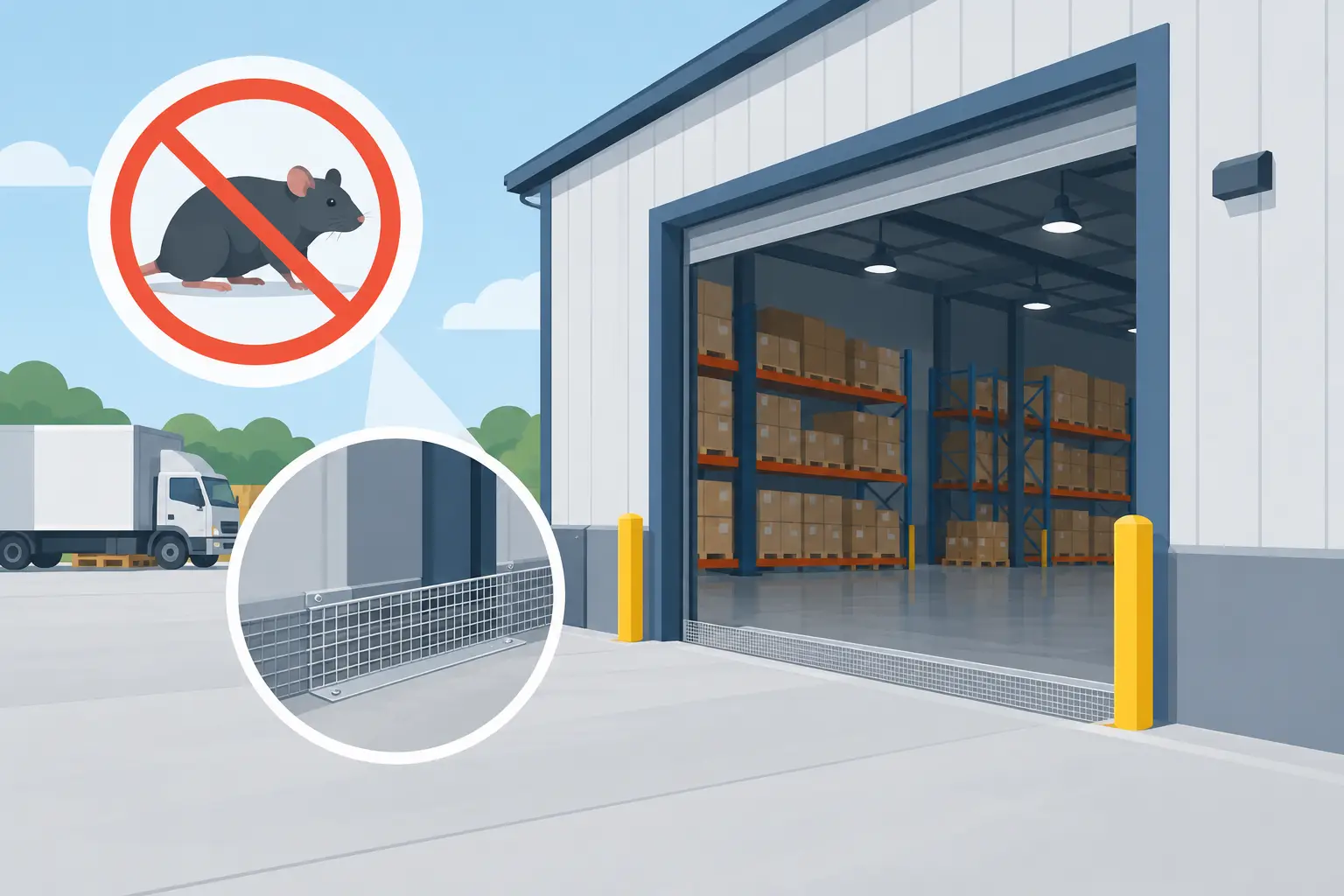
A rodent problem in a warehouse rarely starts with a dramatic event. It starts with a few droppings near a pallet rack, a chewed corner on a bagged product, or an employee spotting movement near the loading dock at the end of a shift. This warehouse rodent exclusion case study shows why closing entry points, improving sanitation, and monitoring activity together can protect inventory without disrupting daily operations.
The facility in this example was a working warehouse with regular deliveries, stored materials, and busy shipping periods. Management needed a practical solution that addressed the immediate rodent activity while keeping staff safe, protecting products, and avoiding unnecessary downtime.
The Problem: Rodents Had More Than One Way In
The first inspection found signs of rodent activity along exterior walls, behind stored pallets, and near a break area. There was no single large opening that explained the issue. Instead, the warehouse had several smaller vulnerabilities that added up.
A worn door sweep at one loading door left a gap at ground level. Utility lines entered the building through openings that had not been fully sealed. A damaged section of exterior cladding created a protected travel route, and stored materials placed close to the building gave rodents cover as they moved toward the structure.
This is common in commercial properties. Rodents do not need a wide-open door to become a warehouse problem. Small gaps around pipes, doors, vents, and wall joints can be enough. Once inside, they look for three things: food, shelter, and undisturbed routes along walls and behind inventory.
The warehouse also had operational factors that made control more difficult. Deliveries came and went throughout the day, which meant loading doors could not remain closed at all times. Cardboard, shrink wrap, and occasional food waste from employee areas gave rodents places to hide and opportunities to feed.
The goal was not simply to remove the rodents that were already present. The goal was to make the building harder to enter, less appealing to stay in, and easier to monitor over time.
Warehouse Rodent Exclusion Case Study: The Service Plan
The response began with a detailed inspection and a clear plan shared with facility management. That step matters because a warehouse is not managed like a home. Recommendations must account for forklift traffic, receiving schedules, employee access, stored goods, and safety procedures.
Step 1: Map activity before sealing openings
Technicians first documented where activity was concentrated. Fresh droppings, rub marks, gnawing, and travel paths helped identify the areas that required the most attention. Monitoring stations were placed in secure locations to track activity and confirm where rodents were moving.
This baseline prevented guesswork. If every possible opening is sealed without understanding current activity, rodents may remain inside and shift into areas that are harder to reach. Exclusion works best when it is paired with a controlled removal and monitoring plan.
Step 2: Close the entry points that mattered most
The highest-priority gaps were addressed first. The damaged door sweep was replaced, utility penetrations were sealed with durable materials, and openings along the building exterior were repaired. Areas around service doors and loading zones received particular attention because these points experience the most daily wear.
Not every gap requires the same repair. A small opening around a pipe needs a different solution than a damaged lower door edge or a gap under siding. The material must also hold up to weather, cleaning, equipment traffic, and rodent gnawing. Temporary fillers may appear to solve the problem, but they often fail when the building shifts or regular operations resume.
For a busy warehouse, timing is part of the solution. Some repairs were completed outside peak receiving hours so crews could work safely without blocking shipments or creating hazards around moving equipment.
Step 3: Reduce the conditions that support rodents
Exclusion limits new entry, but sanitation removes the reasons rodents stay. Management worked with staff to improve a few routine practices: food was limited to designated areas, waste was removed on schedule, and spills were cleaned promptly. Cardboard and excess packaging were kept from building up near storage and break areas.
Outside, materials were moved away from exterior walls where possible. This created a clearer inspection zone and reduced cover near potential entry points. Dumpster areas were also reviewed because overflowing or poorly maintained waste areas can draw rodent activity closer to the facility.
These changes were not treated as blame for employees. They were practical facility controls. A clean warehouse can still have a rodent issue if there are entry gaps, and a sealed warehouse can still attract rodents if food and shelter are readily available. Both sides of the problem require attention.
Step 4: Use targeted control and scheduled follow-up
With exclusion work underway, the existing rodent activity was managed with secure, professional monitoring and control methods suited to a commercial environment. Devices were placed where they could be inspected regularly without creating risk around staff, products, or equipment.
Follow-up service was essential. During return visits, technicians checked activity levels, inspected repaired areas, and looked for new vulnerabilities caused by weather, wear, or building movement. A warehouse is a changing environment. New racks, new deliveries, construction work, and altered traffic patterns can all create fresh pest pressure.
What Changed After Exclusion Work
The facility saw a steady reduction in signs of rodent activity after the initial service and follow-up visits. Most importantly, activity did not simply move from one side of the building to another. Monitoring showed that the combination of sealing, sanitation improvements, and targeted control was reducing the overall pressure on the property.
Management also gained a clearer process for handling future concerns. Staff knew what to report, such as fresh droppings, damaged door sweeps, gnaw marks, or food waste near storage areas. Instead of waiting for a sighting to become a larger issue, the facility had an inspection and response routine.
The operational benefit was just as valuable as the pest-control result. The warehouse did not need to shut down for broad, disruptive work. Repairs were prioritized, scheduled around activity, and explained in plain language. That approach helped protect inventory and employee confidence while keeping shipping moving.
Lessons for Warehouse Managers
The biggest lesson from this case is that rodent control is not one product or one repair. A bait station alone cannot correct a gap under a loading door. Sealing openings alone may not resolve activity if rodents already have access to food, water, and hidden nesting areas inside.
It also depends on the building. Older warehouses may have more gaps around additions and utility lines. Facilities with frequent dock traffic may need more frequent inspection of door sweeps and seals. Warehouses storing food-related goods, pet products, seed, or packaging may need tighter sanitation schedules and more frequent monitoring than a facility handling sealed metal parts.
A useful warehouse rodent prevention program should include regular exterior checks, attention to loading doors, controlled waste areas, organized storage, and professional monitoring. The earlier a damaged seal or fresh activity is found, the easier it is to correct.
For property managers and facility supervisors in Fort St. John and surrounding communities, a fast inspection can turn an uncertain rodent concern into a manageable maintenance plan. North Peace Pest Control helps identify where rodents are entering, explain what needs repair, and support cleaner, safer operations with scheduled service when needed.
The best time to address a warehouse gap is before it becomes a rodent route. A few targeted repairs and consistent housekeeping can protect far more than the building - they help protect the work happening inside it.