
Can Cockroaches Trigger Allergies in Your Home?
Can cockroaches trigger allergies? Learn the signs, who is at risk, and how cleaning and professional pest control can help protect indoor air quality.
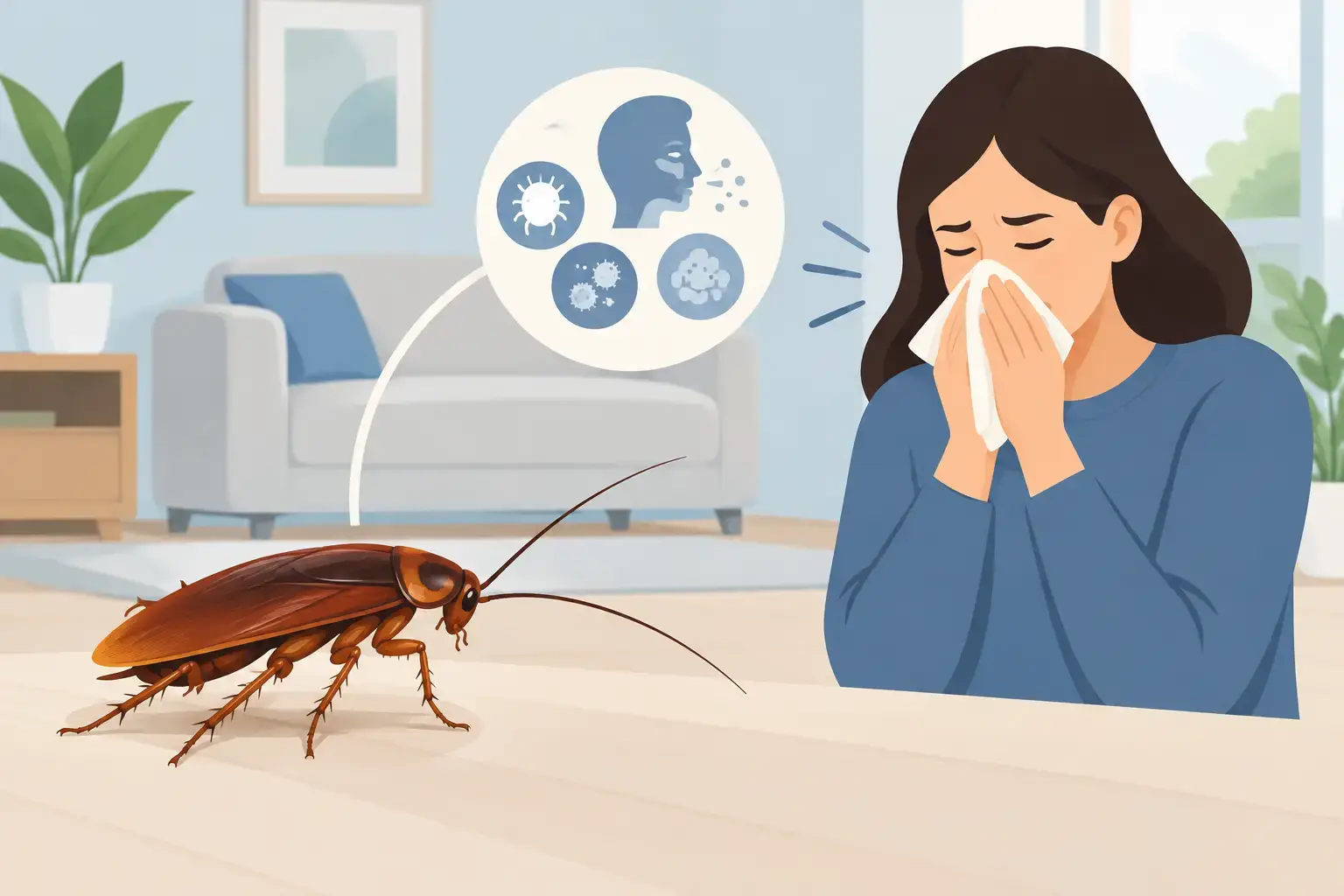
A cockroach problem is not only unsettling when one appears under a sink or behind a refrigerator. For some people, it can affect how they feel at home or at work. Can cockroaches trigger allergies? Yes. Cockroach droppings, saliva, shed skins, and body fragments can contain proteins that become airborne or settle in household dust. People who are sensitive to these proteins may develop allergy symptoms, and exposure can also worsen asthma symptoms.
That connection matters most in places where people spend many hours indoors: homes, apartments, offices, restaurants, break rooms, and staff housing. Removing visible cockroaches is a good start, but protecting the indoor environment also means addressing the contamination and conditions that allowed them to thrive.
Can Cockroaches Trigger Allergies? Yes, Through Their Allergens
Cockroaches do not need to bite someone to cause an allergic reaction. The issue is the material they leave behind. As cockroaches travel through kitchens, wall voids, cabinets, storage rooms, and mechanical areas, they shed skins and leave droppings and saliva. These materials dry, break down, and mix with dust.
Normal activity can stir those particles back into the air. Walking across a room, moving boxes, sweeping, running a fan, or opening a cabinet may be enough to disturb settled dust. Once inhaled or brought into contact with the eyes and skin, cockroach allergens can cause symptoms in people who are sensitized to them.
The level of reaction varies. One person may have only occasional sneezing, while another may experience frequent coughing or more difficult asthma control. Exposure is usually greater when an infestation has been active for some time, particularly in warm, humid areas with accessible food, water, and hiding places.
Symptoms That May Point to Cockroach Allergens
Cockroach allergy symptoms can look much like reactions to dust mites, pet dander, mold, or seasonal pollen. That is why it is easy to overlook the pest connection. Common symptoms include a runny or stuffy nose, sneezing, itchy or watery eyes, coughing, itchy skin, or an irritated throat.
For people with asthma, the concern is more serious. Cockroach allergens can contribute to wheezing, chest tightness, nighttime coughing, shortness of breath, and asthma flare-ups. Children are often especially vulnerable because they spend more time close to floors and may be exposed to dust while playing.
Symptoms alone cannot confirm the cause. A physician or allergy specialist can help identify triggers through a medical assessment and allergy testing when appropriate. However, if symptoms become worse in a particular building, especially alongside cockroach sightings, droppings, egg cases, or a musty pest odor, the property should be inspected promptly.
Seek urgent medical care for serious breathing difficulty, swelling of the face or throat, severe wheezing, or any asthma episode that does not respond to a prescribed rescue plan.
Why Kitchens, Break Rooms, and Multi-Unit Buildings Need Attention
Cockroaches need food, moisture, warmth, and protected hiding spaces. That makes kitchens and food-service areas common problem zones, but infestations are not limited to dirty properties. A clean home or workplace can still have cockroaches if there is a leaking pipe, gaps around utility lines, cluttered storage, incoming deliveries, or activity in an adjoining unit.
In apartment buildings, duplexes, hotels, and staff accommodations, cockroaches can move between units through wall openings, plumbing penetrations, shared utility spaces, and corridors. Treating only one room or one unit may provide temporary relief while the source remains active elsewhere.
Restaurants, cafés, offices, warehouses, and industrial facilities have their own risks. Food debris in employee areas, cardboard storage, floor drains, vending areas, garbage rooms, and after-hours moisture can support cockroach activity. Beyond potential allergen exposure, an infestation can create sanitation concerns and disrupt customer confidence or daily operations.
Removing Allergens Requires More Than a Surface Spray
A do-it-yourself spray may kill a few visible insects, but it often does not reach the nests, hiding areas, or egg cases that keep an infestation going. It can also drive cockroaches deeper into walls and equipment, making the problem harder to track. The goal should be effective elimination paired with practical prevention and cleanup.
A professional cockroach service typically begins with inspection. A trained technician looks for activity, entry points, moisture sources, food access, harborages, and the pest species involved. This matters because treatment methods should fit the property, the severity of the issue, and whether the space is residential, commercial, or industrial.
Targeted treatment may include carefully placed baits, monitoring devices, crack-and-crevice applications, and exclusion recommendations. A responsible provider will explain where treatment is needed, what occupants should do before and after service, and when follow-up visits are recommended. For homes with children or pets and businesses that need to remain operational, clear instructions and product selection are especially important.
Eliminating the population is the priority, but it is not the entire job. Allergen particles can remain in dust after cockroach activity has stopped. Thorough cleaning helps reduce what is left behind.
Cleaning After Cockroach Activity
Once control measures are underway, focus on removing droppings, skins, and contaminated dust without spreading it through the property. Wear gloves when cleaning affected areas and avoid dry sweeping or vigorous dusting, which can send fine particles into the air. A vacuum with effective filtration can help collect dust from edges, cracks, under appliances, upholstered furniture, and carpets. Follow with damp wiping of hard surfaces.
Pay close attention to cabinet corners, drawer tracks, behind stoves and refrigerators, under sinks, pantry shelves, baseboards, storage areas, and garbage zones. Wash food-contact surfaces before use, discard food that may have been contaminated, and keep dry goods in sealed containers.
For heavier infestations, deep cleaning may be needed after treatment. Carpet cleaning, detailed floor care, garbage bin sanitation, and cleaning of hard-to-reach areas can support a healthier reset, particularly in rentals, food businesses, offices, and facilities with recurring pest pressure. Cleaning should not replace pest treatment, though. If the source remains active, allergens and contamination will build up again.
Practical Prevention That Makes a Difference
The most reliable prevention plan removes the resources cockroaches depend on. Keep food sealed, clean crumbs and grease promptly, empty indoor trash regularly, and avoid leaving pet food out overnight. Repair leaking faucets, pipes, and appliances, and do not overlook moisture around floor drains, water heaters, or refrigeration equipment.
Reduce hiding areas by limiting cardboard buildup and organizing storage so walls and floor edges remain accessible for inspection and cleaning. Seal gaps around pipes, utility lines, cabinets, doors, and baseboards where practical. In commercial settings, regular sanitation in employee break rooms, garbage areas, loading zones, and food-prep spaces is as important as treatment itself.
If a property has had cockroach activity before, monitoring and scheduled service may be worthwhile. This is particularly true for multi-unit properties and businesses where a new infestation can spread quickly or affect operations. The right schedule depends on the building layout, pest history, sanitation conditions, and the level of risk.
When to Call for Professional Help
Call for an inspection when you see live cockroaches during the day, find droppings that resemble black pepper or coffee grounds, notice egg cases or shed skins, or repeatedly find activity near food and water sources. Daytime sightings can indicate a larger population because cockroaches usually prefer to stay hidden.
North Peace Pest Control and Maintenance Corporation helps property owners identify the source of cockroach activity, treat it with a practical plan, and improve the sanitation conditions that help prevent return visits. For homes, that means restoring comfort. For workplaces, it means protecting hygiene, staff confidence, and business readiness.
If allergy or asthma symptoms seem worse indoors, do not wait for the problem to become obvious. A careful inspection, effective treatment, and detailed cleanup can make the space feel safer to use again.